
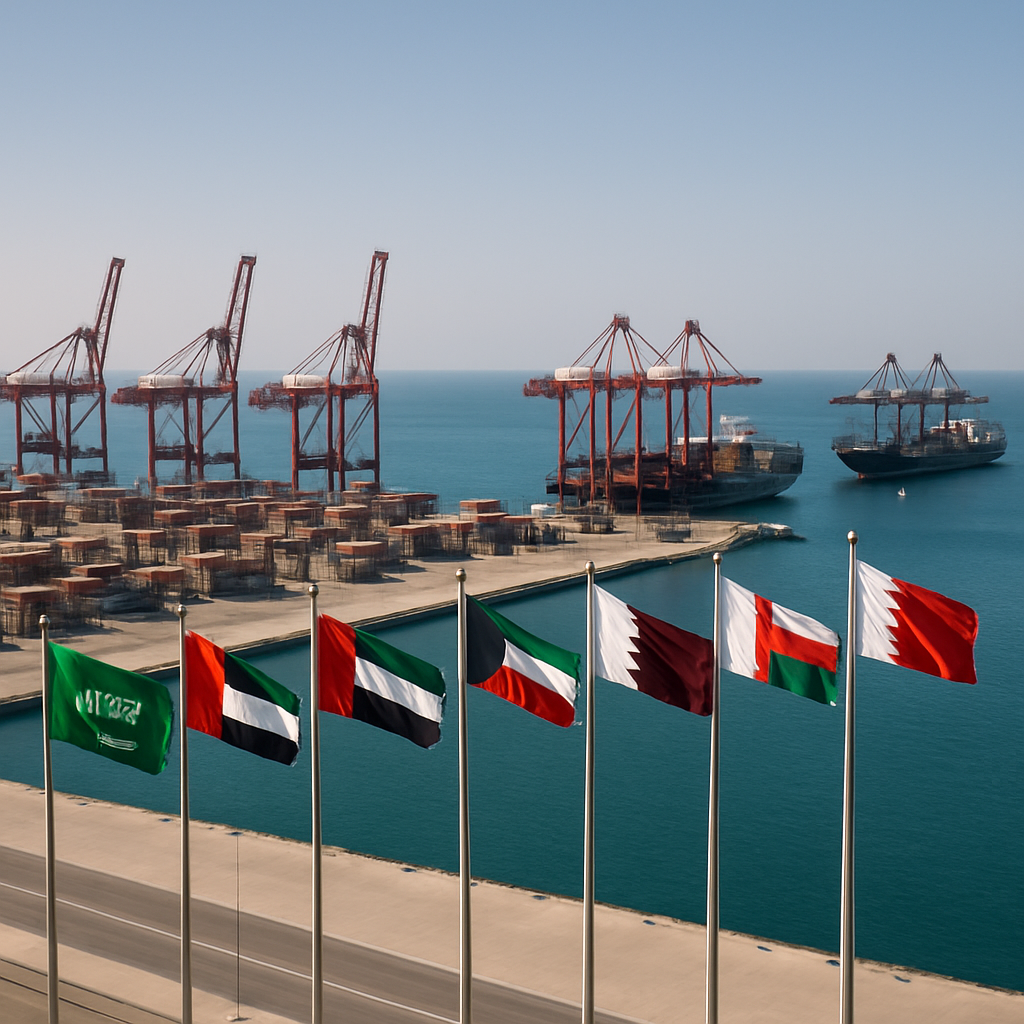
Hargeisa Deepens Ties with Gulf States Amid Broader Push for International Recognition
Hargeisa — Somaliland’s government has intensified its diplomatic engagement with Gulf Cooperation Council nations in recent months, signalling a strategic pivot toward securing bilateral partnerships that could bolster the self-declared republic’s economic foundations and long-term quest for international recognition. Senior officials in Hargeisa have held a series of meetings with representatives from the United Arab Emirates, Qatar, and Saudi Arabia, with discussions centred on trade facilitation, infrastructure investment, and security cooperation across the Red Sea corridor.
The renewed Gulf focus comes at a pivotal moment for Somaliland, as the Horn of Africa region navigates a period of shifting alliances, heightened maritime security concerns, and fierce competition for strategic port access. Somaliland’s leadership has long viewed its geography — commanding a critical stretch of the Gulf of Aden coastline — as its most compelling argument to prospective partners, and officials appear determined to translate that geographic advantage into concrete diplomatic and economic gains.
Berbera Port at the Heart of Engagement
Central to the Gulf outreach is Berbera Port, which continues to attract significant investor interest as regional shipping lanes grow in strategic importance. Houthi disruptions to Red Sea commercial traffic over the past year have paradoxically elevated Berbera’s profile among Gulf logistics planners, who are increasingly examining alternative routing options along the southern Arabian Sea and East African coastline. Somaliland officials have briefed Gulf counterparts on the port’s expanded capacity following Abu Dhabi Ports Group’s ongoing development works, emphasising the facility’s readiness to handle increased cargo volumes and its potential as a regional logistics hub.
Sources familiar with the discussions indicated that Emirati officials expressed continued interest in deepening the commercial framework governing their operations at Berbera, with conversations touching on expanded free zone provisions and potential new service corridors linking the port to markets in landlocked Ethiopia and beyond. While no formal agreements were announced, the tone of the engagements was described as constructive, with both sides keen to build on the existing commercial relationship.
Qatar and Saudi Arabia Eye Broader Roles
Beyond the UAE, Somaliland has been cultivating warmer ties with Qatar and Saudi Arabia, both of which have maintained quiet but consistent engagement with Hargeisa despite the diplomatic sensitivities involved in dealing with a territory unrecognised by the international community. Qatari officials have shown interest in humanitarian and development programming in Somaliland, while Saudi Arabia’s engagement has leaned more heavily toward religious and educational exchanges, alongside preliminary discussions about labour mobility for Somaliland workers seeking employment in the Kingdom.
Analysts tracking the region suggest that Somaliland’s approach reflects a sophisticated understanding of Gulf geopolitics — engaging multiple actors simultaneously rather than aligning exclusively with any single power. By presenting itself as a stable, democratically governed partner in an otherwise turbulent neighbourhood, Hargeisa is positioning Somaliland as a reliable interlocutor for Gulf states with complex and often competing interests in the Horn of Africa.
Maritime Security Adds Urgency to Talks
The security dimension of Somaliland’s Gulf diplomacy has grown sharper in the context of ongoing instability in the Red Sea. With international naval coalitions operating in waters adjacent to Somaliland’s coastline, Hargeisa has sought to leverage its potential contribution to regional maritime security as an additional incentive for Gulf partners to deepen engagement. Officials have pointed to Somaliland’s track record of coastal stability and its willingness to cooperate on counter-piracy and counter-smuggling efforts as evidence of its value as a security partner.
Gulf interlocutors, for their part, have been receptive to these arguments, particularly given the broader regional anxiety about ungoverned maritime spaces and the flow of illicit goods through the Horn of Africa. Whether this shared interest in maritime security can be translated into formalised cooperation agreements — and what form such agreements might take given Somaliland’s unrecognised status — remains an open question that diplomats on both sides are carefully navigating.
Recognition Remains the Underlying Goal
Beneath the economic and security discussions lies Somaliland’s enduring ambition: formal diplomatic recognition. While Gulf states have stopped well short of extending recognition, the sustained high-level engagement is seen in Hargeisa as a meaningful indicator of growing international legitimacy. Government spokespersons have consistently framed the Gulf partnerships as part of a deliberate, incremental strategy to build a critical mass of international relationships that could eventually create the conditions for recognition to become politically viable.
For now, Somaliland’s diplomatic corps appears focused on consolidating practical gains — investment commitments, trade agreements, and security frameworks — while keeping the recognition conversation alive in Gulf capitals. In Hargeisa, there is cautious optimism that the current momentum, if sustained, could mark a turning point in the republic’s long and patient campaign for a place on the world stage.

