
Hargeisa Pursues Strategic Partnerships as Foreign Engagement Intensifies
Hargeisa — Somaliland’s government has accelerated its diplomatic and economic outreach to Gulf Cooperation Council states in recent months, with senior officials conducting a series of high-level engagements aimed at securing trade agreements, investment commitments, and formal diplomatic acknowledgment from influential partners in the Arabian Peninsula. The push reflects Hargeisa’s broader strategy of leveraging its strategic location along the Gulf of Aden to attract foreign interest and strengthen its case for international recognition.
Officials from the Ministry of Foreign Affairs and International Cooperation have held meetings with counterparts and business delegations from the United Arab Emirates, Saudi Arabia, and Qatar over the past several weeks. While none of the engagements have yet produced formal bilateral agreements, sources close to the negotiations describe the atmosphere as unusually constructive, with Gulf interlocutors expressing strong interest in Somaliland’s port infrastructure, livestock export capacity, and energy exploration potential.
Berbera Port Remains the Centerpiece of Economic Diplomacy
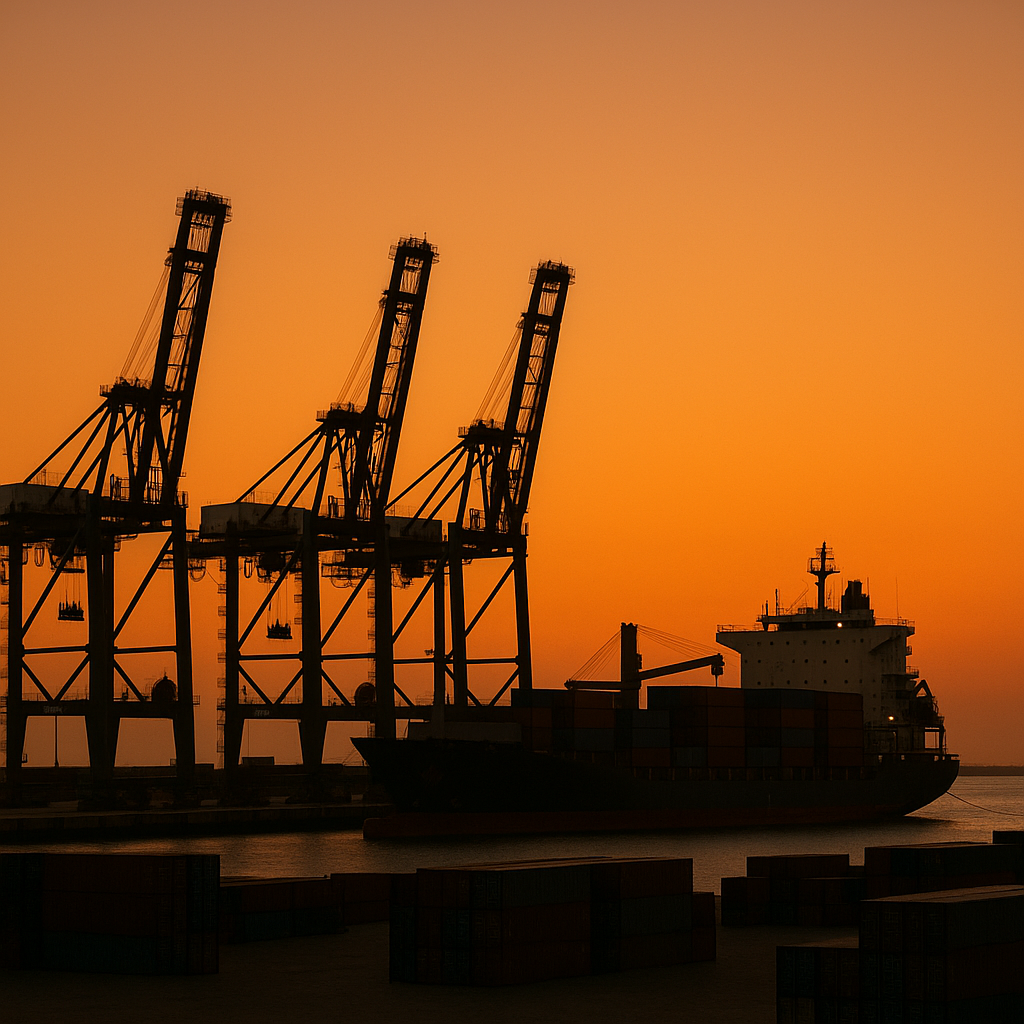
At the heart of Somaliland’s economic pitch to foreign partners is Berbera Port and the Berbera Corridor, the deep-water facility and inland trade route that Hargeisa has long positioned as a transformative asset for the wider Horn of Africa region. The port, which has undergone significant expansion and modernization under DP World’s management in partnership with the Somaliland government and Ethiopia, continues to attract attention from investors seeking alternatives to the congested Djibouti corridor.
Somaliland’s trade minister, speaking to local journalists, indicated that ongoing discussions with Gulf investors center on cold storage facilities, livestock handling infrastructure, and the possibility of establishing a free trade zone adjacent to the port. Officials believe that converting Berbera into a comprehensive logistics hub could generate thousands of jobs and substantially increase customs revenues within five years.
The port’s strategic significance has grown in parallel with Ethiopia’s continued interest in securing reliable Red Sea access. Although progress on the Ethiopia-Somaliland port access MoU has been complicated by shifting regional dynamics and Addis Ababa’s concurrent diplomatic pressures, Somaliland’s leadership maintains that cooperation with Ethiopia remains a long-term priority and a potential catalyst for broader international engagement.
Gulf Engagement Carries Political Weight Beyond Commerce
Analysts following Somaliland’s foreign policy note that the Gulf outreach carries political dimensions that extend well beyond trade volumes. The UAE in particular has maintained a sustained relationship with Hargeisa dating back years, rooted in shared maritime security interests and the Emirates’ longstanding presence in the Horn of Africa. A deepening of formal ties with Abu Dhabi, even short of full diplomatic recognition, would significantly enhance Somaliland’s international standing and provide a template for engagement with other cautious partners.
A regional affairs analyst based in Nairobi described Somaliland’s current diplomatic posture as one of the most energetic and strategically coherent in recent memory, noting that Hargeisa appears to be coordinating multiple tracks simultaneously — Gulf investment, multilateral forum participation, and bilateral outreach to Western capitals — rather than relying on any single relationship.
Saudi Arabia’s role is also being watched closely. Riyadh has historically maintained ties with Mogadishu, and any formal acknowledgment of Somaliland would carry significant geopolitical weight. Somaliland officials are understood to be framing their case to Riyadh partly around livestock trade — Saudi Arabia is among the largest importers of Somali livestock — and partly around counterterrorism and maritime security cooperation in the Gulf of Aden.
Domestic Expectations and Cautious Optimism
Inside Somaliland, public expectations around the diplomatic push are tempered by decades of experience watching promising international openings fail to produce formal recognition breakthroughs. Civil society leaders and opposition politicians have urged the government to ensure that economic agreements deliver tangible benefits for ordinary citizens even in the absence of formal diplomatic progress, and to maintain transparency about the terms of any deals struck with foreign investors.
President Abdirahman Irro’s administration, which took office earlier this year, has signaled that foreign policy and economic development will be twin pillars of its agenda. Officials are expected to present a comprehensive foreign investment framework to parliament before the end of the year, a document that is likely to address concerns about sovereignty, revenue sharing, and environmental protections in resource extraction.
As Hargeisa’s diplomatic calendar fills with international engagements, the coming months will test whether the current wave of foreign interest can be translated into durable agreements — and whether economic partnerships can serve as a stepping stone toward the political recognition Somaliland has sought for more than three decades.

