
Berbera Emerges as a Strategic Regional Hub Amid Growing Gulf Investment Interest
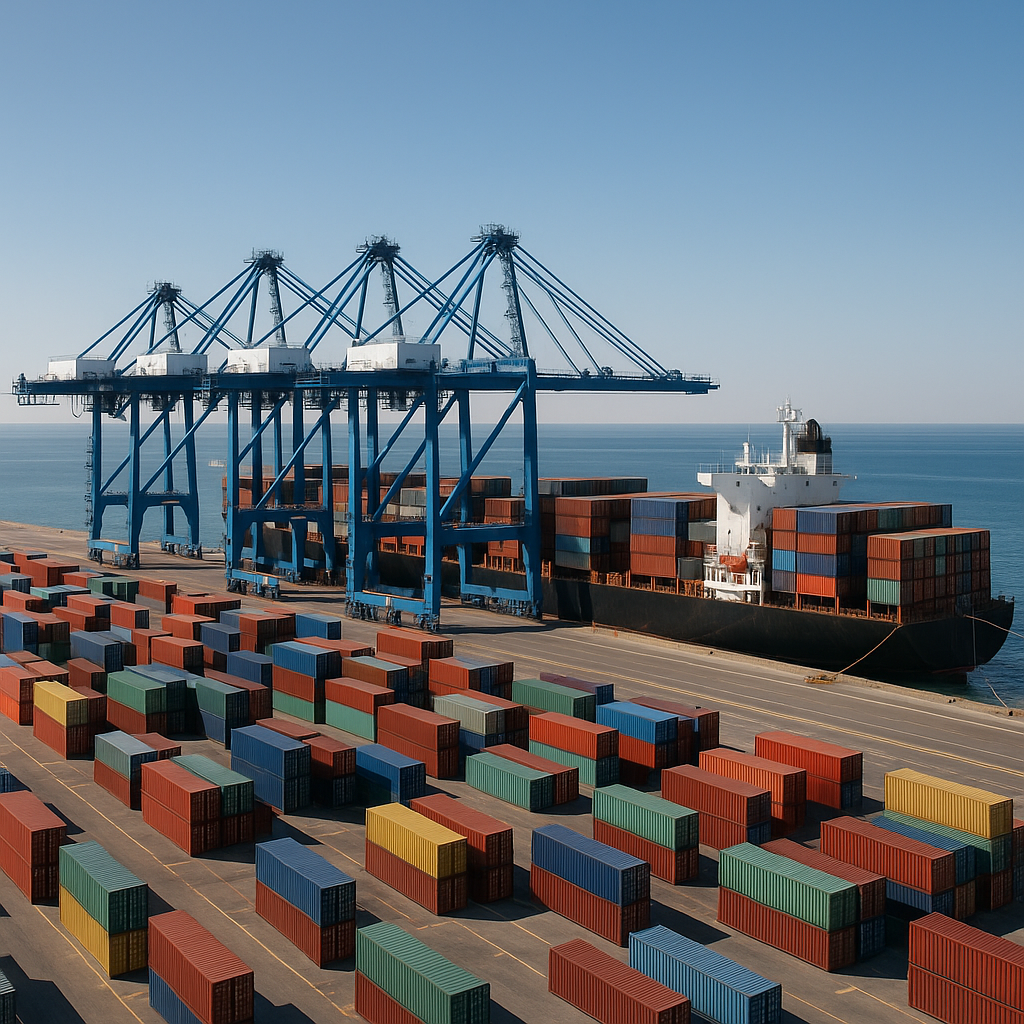
Hargeisa — Somaliland’s government is accelerating efforts to position the Republic as a critical trade gateway for the Horn of Africa, with officials reporting significant growth in cargo volumes through Berbera Port and renewed engagement with Gulf Cooperation Council investors seeking stable logistics infrastructure in the region. The developments come at a moment when Somaliland’s leadership is pressing its case for deeper economic partnerships that could reinforce its broader push for international recognition.
Port authority officials in Berbera confirmed this week that container throughput for the first half of the year has risen substantially compared with the same period last year, driven by increased imports of food commodities, construction materials, and consumer goods. The growth has been attributed to a combination of expanded berth capacity, improved customs processing systems supported by DP World — the Dubai-based operator that manages the port under a long-term concession agreement — and a gradual diversification of shipping routes linking Berbera to ports in the United Arab Emirates, Oman, and Saudi Arabia.
Somaliland’s Minister of Finance addressed a gathering of business representatives in Hargeisa earlier this week, emphasizing that the port’s expanding throughput is translating into measurable government revenue gains. He noted that customs receipts from Berbera now constitute one of the largest single sources of income for the national treasury, and that the administration intends to channel a portion of those earnings into road infrastructure upgrades along the Berbera Corridor — the overland route linking the coast to Ethiopia’s landlocked interior markets.
Gulf Investors Eye Somaliland’s Logistics and Energy Sectors
Beyond the port itself, Somaliland officials say they have held preliminary discussions with delegations from the UAE and Saudi Arabia regarding potential investments in cold-storage logistics, industrial free zones adjacent to Berbera, and renewable energy projects that could power the port’s expanding operations. While no binding agreements have been announced, senior officials described the conversations as substantive and indicated that formal memoranda of understanding could be signed before the end of the year.
Analysts watching the region say the Gulf interest in Berbera is consistent with a broader strategic calculus. With tensions periodically disrupting traffic through the Bab el-Mandeb strait and ongoing instability in parts of the Red Sea shipping corridor, Gulf trading nations have strong incentives to cultivate resilient secondary logistics hubs on the African side of the waterway. Somaliland’s relative political stability, functioning institutions, and established port infrastructure make it an attractive proposition compared with other coastal options in the region.
A Hargeisa-based economist who advises the Ministry of Planning observed that the Gulf engagement carries significant implications beyond commerce. He argued that sustained economic relationships with wealthy Gulf states tend to generate the kind of quiet diplomatic goodwill that, over time, can translate into formal or informal recognition — or at minimum, the political cover for other nations to deepen ties with Hargeisa without fear of regional blowback.
Berbera Corridor Development Remains Central to Ethiopia Relationship
The trade momentum at Berbera is also shaping Somaliland’s ongoing relationship with Ethiopia, its most consequential regional partner. Although the broader Ethiopia-Somaliland port access MoU remains a subject of diplomatic complexity, commercial traffic from Ethiopian traders and logistics companies using the Berbera Corridor has continued to grow. Ethiopian importers cite the route’s competitive transit times and lower congestion compared with Djibouti’s port as key reasons for their increasing preference for the Berbera option.
Road rehabilitation works on sections of the corridor highway between Berbera and the Ethiopian border at Tog Wajaale are currently underway with funding from a combination of the Somaliland government budget and contributions from development partners. Officials say the completed upgrades will meaningfully reduce transport times and vehicle wear costs, making the route more attractive to large-volume Ethiopian freight operators.
Somaliland’s government has consistently framed the Berbera Corridor’s success as a proof-of-concept for the republic’s value to the wider region — an argument it deploys in diplomatic conversations with potential recognition partners. By demonstrating that it can deliver reliable infrastructure and predictable governance to international investors and neighboring states alike, Hargeisa hopes to build the practical case for Somaliland’s international recognition one partnership at a time.
As the government prepares its budget projections for the coming fiscal year, the port and corridor remain at the center of its economic strategy — and increasingly, of its foreign policy ambitions as well.

