
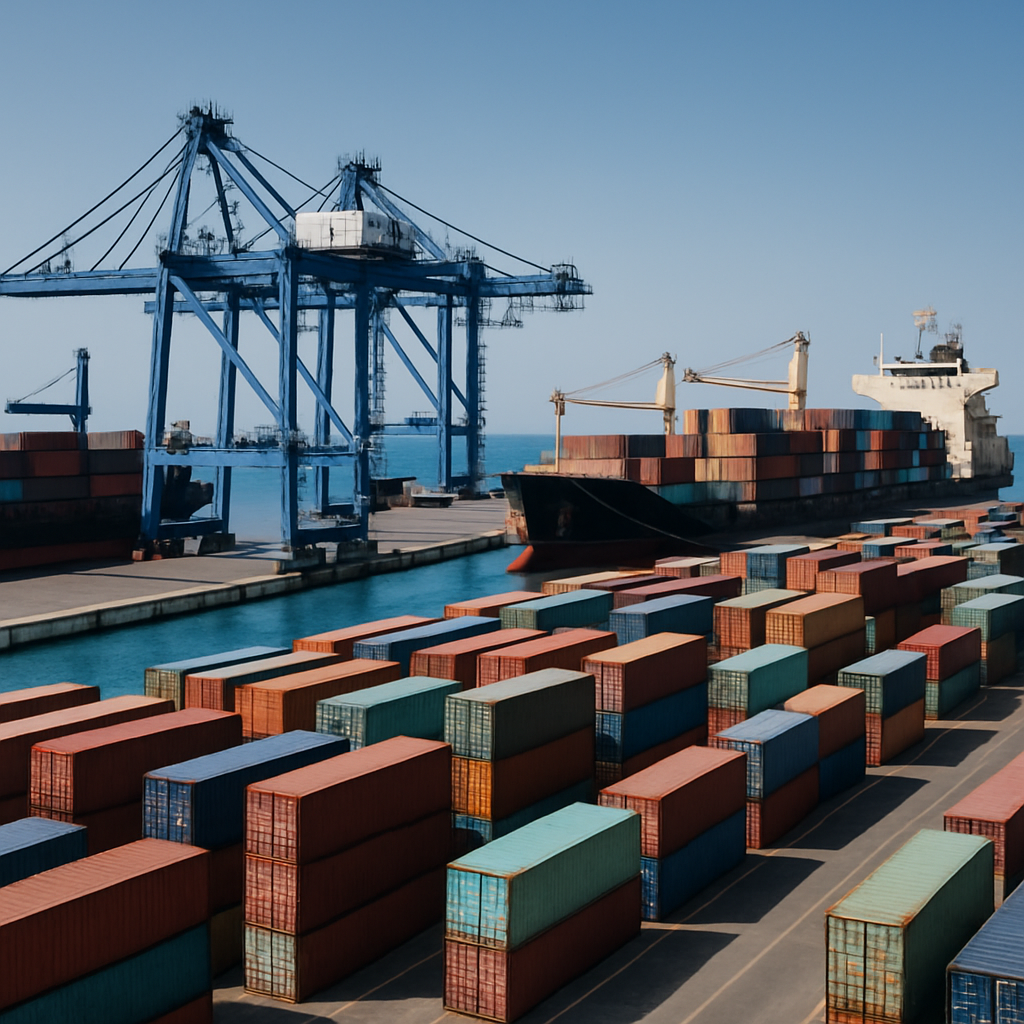
Berbera Port Emerges as Regional Hub Amid Growing Gulf Investment Interest
Hargeisa — Somaliland’s strategic push to transform Berbera Port and the Berbera Corridor into a premier Horn of Africa logistics hub is gaining significant momentum, as Gulf-based investors and regional trade partners signal deepening interest in the self-declared republic’s expanding commercial infrastructure. Officials in Hargeisa say the pace of engagement has accelerated noticeably in recent months, with delegations from the United Arab Emirates, Saudi Arabia, and Qatar all holding substantive talks with Somaliland’s trade and port authorities.
The port, operated under a long-term concession by DP World, has steadily increased its container handling capacity since major upgrades to its berth and storage facilities were completed in phases over the past several years. Government sources confirmed this week that throughput volumes have continued to rise, with the port now handling a growing share of Ethiopian transit cargo — a development that underscores the strategic importance of Somaliland’s coastline to landlocked Ethiopia’s import-export supply chain.
Ethiopian Trade Dependency on Berbera Grows
Ethiopia’s search for reliable access to sea routes has become one of the defining economic pressures in the Horn of Africa, and Berbera sits at the centre of that calculation. Since the Ethiopian government began diversifying away from exclusive reliance on Djibouti’s port facilities, cargo volumes passing through the Berbera Corridor have grown considerably. Ethiopian traders and logistics companies have increasingly cited Berbera’s competitive handling fees and shorter transit times for certain routes as key advantages over rival facilities.
Somaliland’s Minister of Trade and Tourism met with a delegation of Ethiopian business representatives last month, with discussions reportedly covering streamlined customs procedures, road infrastructure investment along the corridor, and proposals for a dedicated Ethiopian bonded warehouse zone within the Berbera free trade area. Somaliland officials expressed cautious optimism, describing the negotiations as constructive and indicating that formal agreements on several operational matters could be finalized before the end of the year.
The broader context of the Ethiopia-Somaliland relationship remains shaped by the landmark Ethiopia-Somaliland port access MoU signed in early 2024, which raised the prospect of even deeper bilateral integration — including potential Ethiopian naval facility arrangements — though the full implementation of that agreement has faced diplomatic headwinds amid regional sensitivities.
Gulf Capital Eyes Somaliland’s Free Zone Potential
Beyond Ethiopian trade, Gulf capital is increasingly eyeing Somaliland’s nascent free zone framework as a potential gateway for re-export trade into East Africa. Emirati business figures familiar with the discussions described Berbera’s geographic position — sitting astride some of the world’s busiest shipping lanes connecting Asia, the Gulf, and European markets — as an underutilised asset that, with the right regulatory environment, could rival smaller free trade zones elsewhere in the region.
Somaliland’s government has responded by fast-tracking the development of investor-friendly regulations for the Berbera Special Economic Zone. Authorities indicated that a revised legal framework governing foreign direct investment in the zone is expected to be presented to the Council of Ministers within weeks, addressing longstanding concerns among potential investors about dispute resolution mechanisms and profit repatriation rights.
Industry observers noted that while political recognition of Somaliland’s statehood and international recognition remains elusive, the territory’s demonstrated track record of political stability and its functioning institutions have allowed it to attract commercial engagement that bypasses formal diplomatic barriers. Gulf sovereign wealth funds and private equity groups have historically been willing to operate in complex jurisdictions where commercial returns justify the risk profile.
Infrastructure Investment Remains Critical Bottleneck
Despite the positive signals, analysts warn that realising Berbera’s full potential will require sustained investment in road and rail links connecting the port to Ethiopia’s interior. The existing highway corridor, while functional, is increasingly strained by growing cargo volumes, and logistics companies report that delays at key checkpoints along the route remain a persistent irritant for shippers.
The Somaliland government has appealed to international development finance institutions, including the African Development Bank and European development agencies, to co-finance infrastructure upgrades. Officials argue that a modernised corridor would generate returns not just for Somaliland and Ethiopia but for the wider region by reducing the cost of trade across East Africa.
As Hargeisa positions itself for a future it hopes will include greater international engagement, the progress at Berbera represents one of its most tangible and persuasive arguments — that functional governance and strategic geography can, over time, open doors that formal recognition alone cannot.

