
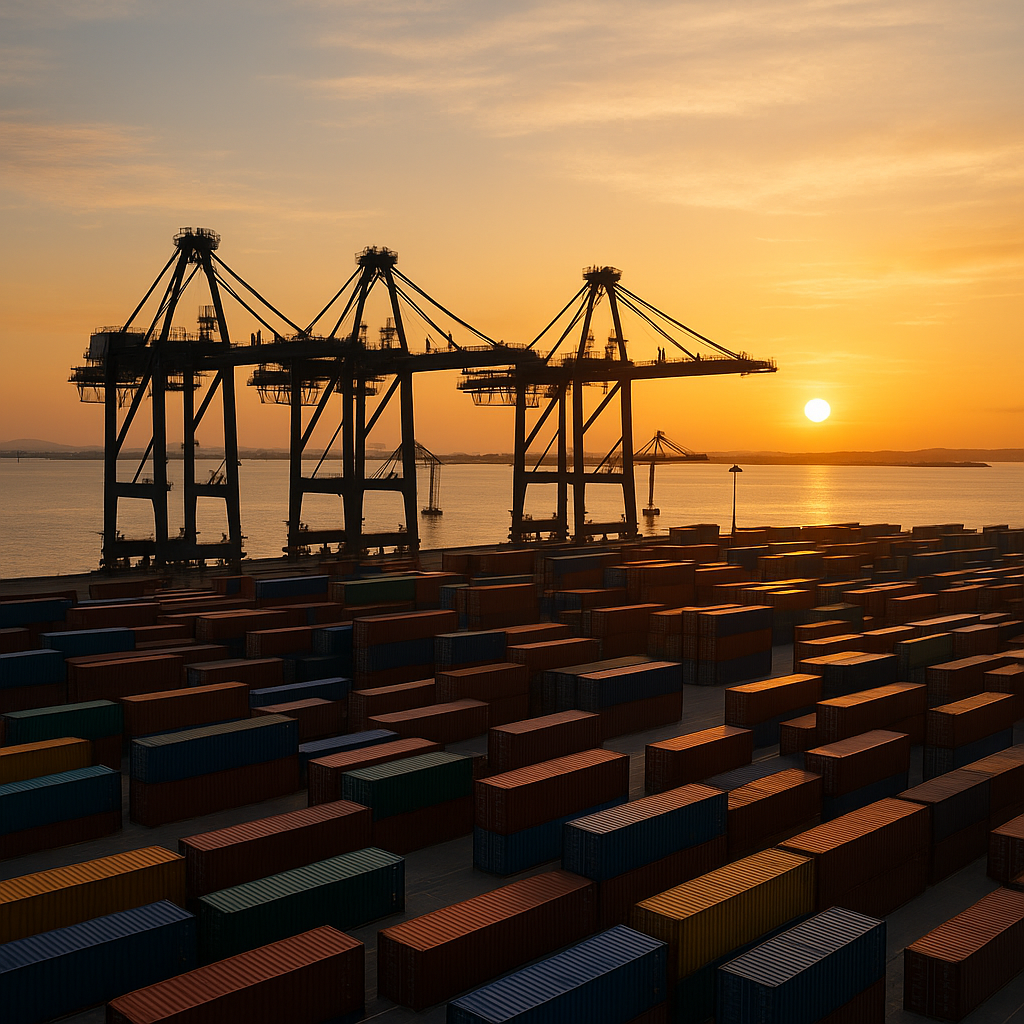
Berbera Port Expansion Gains Momentum as Somaliland Courts New Investment Partners
Hargeisa — Somaliland’s flagship infrastructure project at Berbera Port is entering a significant new phase, with the government in Hargeisa actively courting a fresh wave of international investors and logistics partners as it seeks to position the facility as the premier commercial gateway for landlocked Ethiopia and the broader Horn of Africa interior.
Officials from Somaliland’s Ministry of Finance and the Berbera Port Authority have held a series of meetings in recent weeks with delegations representing Gulf-based logistics firms, European development finance institutions, and regional shipping companies, all expressing interest in the port’s expanding capacity and its strategic location along one of the world’s most important maritime corridors. Sources close to the negotiations described the discussions as substantive and forward-looking, moving well beyond preliminary expressions of interest into detailed feasibility assessments and draft frameworks for potential commercial agreements.
A Port at the Center of Regional Ambitions
The push to attract new capital and operational partners comes as Berbera Port’s ongoing expansion — anchored by DP World’s transformative concession agreement — continues to reshape the physical and commercial landscape of Somaliland’s northern coast. The first phase of the expansion, which dramatically increased container-handling capacity and modernized quay infrastructure, has already begun to shift cargo flows, drawing freight that previously passed through Djibouti’s congested Port of Djibouti or the troubled port facilities accessible through Somalia.
Somaliland government officials have been at pains to emphasize the port’s role not merely as a national asset, but as a regional utility. In briefings provided to prospective investors, the administration of President Abdirahman Irro has highlighted the Berbera Corridor — the road and logistics network connecting the port to Ethiopia’s Somali Regional State and onward to Addis Ababa — as a ready-made supply chain solution for Ethiopian importers and exporters facing persistent bottlenecks at Djibouti. With Ethiopia’s import-export volumes among the largest on the continent and the country entirely dependent on foreign port access for its international trade, Berbera’s pitch is straightforward: competitive tariffs, shorter transit times to key Ethiopian markets, and a politically stable operating environment.
Ethiopian Trade Ties Remain the Strategic Prize
The broader backdrop to the port’s commercial push is Somaliland’s complex and evolving relationship with Ethiopia, its largest potential customer and most consequential neighbor. The memorandum of understanding signed between Hargeisa and Addis Ababa in early 2024 — which envisioned Ethiopian access to Berbera in exchange for diplomatic recognition considerations — sent shockwaves through the region and dramatically raised Somaliland’s international profile. While the MoU’s implementation has proceeded cautiously amid diplomatic pressures from Mogadishu and shifts in Ethiopian domestic politics, the commercial logic underpinning it has never wavered.
Trade observers note that Ethiopian trucking firms and freight forwarders have continued to test the Berbera Corridor route even as the political dimensions of the Ethiopia-Somaliland relationship remain in flux. The volume of Ethiopian cargo transiting through Berbera has grown incrementally, and port officials project that a full normalization of commercial arrangements — supported by streamlined customs procedures and bilateral transport agreements — could see Berbera handling a meaningful share of Ethiopia’s import traffic within the next three to five years.
Infrastructure Gaps and the Road Ahead
Despite the optimism, significant challenges remain. The road infrastructure linking Berbera to the Ethiopian border at Tog Wajaale, while improved in sections, still requires sustained investment to meet the demands of heavy commercial freight traffic at scale. International donors, including the European Union through its Global Gateway initiative, have signaled interest in co-financing road upgrades along the corridor, though formal commitments have been slow to materialize.
There are also questions about Somaliland’s port-side capacity to handle projected volume increases. Warehouse facilities, cold-chain logistics infrastructure, and bonded storage remain underdeveloped relative to the ambitions being articulated by government and DP World planners. Port Authority officials have acknowledged these constraints publicly, framing them as investment opportunities rather than obstacles, and pointing to the favorable terms available to anchor tenants willing to develop specific logistics niches.
A Nation Building Its Case, One Shipment at a Time
For Somaliland, whose decades-long quest for international recognition has repeatedly run up against geopolitical headwinds, the development of Berbera as an indispensable regional asset represents a parallel and arguably more pragmatic strategy for securing its future. The argument is intuitive: a port that the region cannot afford to do without is a Somaliland that the world cannot afford to ignore.
Whether that commercial logic ultimately translates into formal diplomatic acknowledgment remains to be seen. In the meantime, the cranes at Berbera keep moving, and the investment conversations keep progressing — one container and one meeting at a time.

