
Hargeisa — Somaliland’s flagship infrastructure project moves forward amid rising interest from regional and international partners
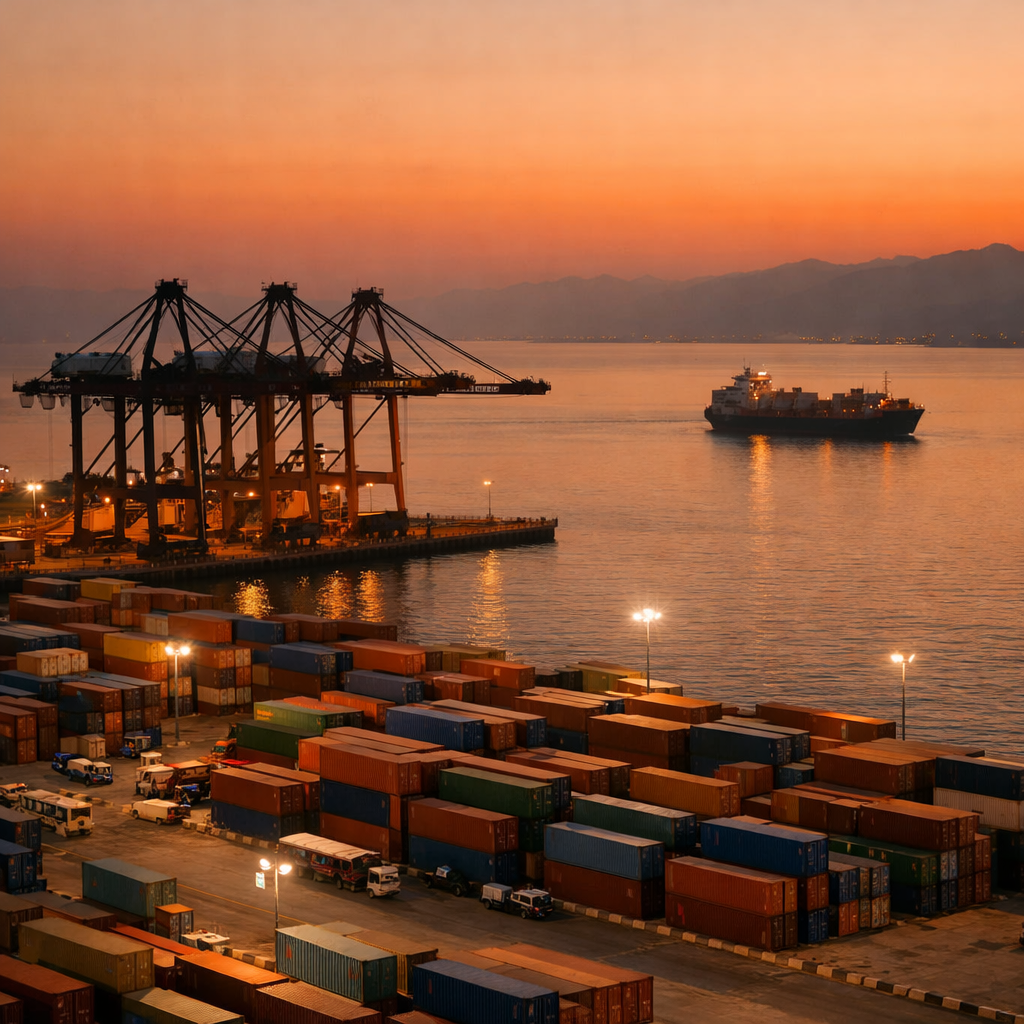
Hargeisa — The expansion of Berbera Port and the Berbera Corridor has entered a pivotal new phase, with Somaliland authorities and development partners accelerating efforts to position the Red Sea facility as the Horn of Africa’s next major commercial gateway. Officials in Hargeisa have confirmed that logistical and infrastructural upgrades are progressing on multiple fronts, drawing renewed attention from landlocked nations and international investors eager to diversify regional shipping routes.
The port, operated under a long-term concession arrangement with DP World, has seen steady increases in container throughput over recent years. However, the broader ambition — transforming Berbera into a fully integrated trade corridor stretching deep into Ethiopia and potentially beyond — has taken on fresh urgency following shifts in the regional geopolitical landscape. With the Djibouti corridor increasingly strained by capacity pressures and diplomatic sensitivities, the Berbera alternative has never looked more attractive to shippers, logistics firms, and landlocked governments seeking reliable access to the sea.
Infrastructure Upgrades Accelerate
Work on key sections of the Berbera Corridor road connecting the port to the Ethiopian border at Tog Wajaale has been progressing, with upgrades aimed at reducing transit times and lowering the cost of goods movement. Somaliland’s Ministry of Public Works has indicated that surfacing and grading work on several critical stretches is either completed or nearing completion, a development that logistics operators say could significantly change the economics of routing cargo through Berbera.
Port officials have also pointed to improvements in customs processing infrastructure and digital documentation systems, which they say are reducing the administrative bottlenecks that have historically discouraged large-volume shippers. The introduction of electronic cargo manifests and improved scanning equipment has been highlighted as a priority to meet international standards expected by major shipping lines.
Ethiopia Remains the Central Variable
The commercial future of the Berbera Corridor is inextricably linked to Ethiopia’s willingness to route a meaningful share of its enormous import-export volumes through Somaliland rather than Djibouti. Ethiopia, home to more than 120 million people and one of Africa’s fastest-growing economies, currently relies on Djibouti for the vast majority of its sea trade — a dependency that Ethiopian officials have publicly described as a strategic vulnerability.
The Ethiopia-Somaliland port access MoU signed in January 2024 signaled a serious political intention on both sides to deepen this relationship, though the precise commercial and logistical arrangements are still being worked through. Trade analysts tracking the corridor note that even a modest diversion of Ethiopian cargo — perhaps ten to fifteen percent of total volumes — to Berbera would be transformative for Somaliland’s revenues and would validate the billions of dollars in infrastructure investment the corridor has attracted.
Ethiopian freight operators have begun conducting trial runs along the Berbera route, assessing road conditions, border crossing efficiency, and overall transit times against their Djibouti baseline. Early reports from logistics insiders suggest that while the Berbera route remains somewhat slower at present, the gap is narrowing as infrastructure improves, and the lower port handling fees are already competitive.
Djibouti Watching Closely
The growing momentum behind Berbera has not gone unnoticed in Djibouti, which has long depended on its near-monopoly over Ethiopian trade transit as a cornerstone of its own economy. Djiboutian authorities have responded by accelerating their own port expansion projects and engaging in diplomatic outreach to retain their dominant position. Regional analysts suggest that the emergence of genuine competition from Berbera is likely to benefit shippers and consumers across the region, even as it reshapes the balance of economic leverage among the Horn’s small coastal states.
For Somaliland, the stakes go beyond revenues. Port development and the Berbera Corridor represent the most visible and tangible pillar of Somaliland’s case for international recognition as a functioning, capable state. Demonstrating that it can deliver world-class infrastructure and reliable trade facilitation is central to the government’s argument that the territory deserves a formal place in the community of nations.
Investor Interest Remains Strong
Beyond DP World, a range of international investors — from Gulf-based logistics firms to European development finance institutions — have been engaged in exploratory conversations about port-adjacent industrial zones, cold-chain facilities, and energy infrastructure along the corridor. Somaliland’s government has been pitching a vision of Berbera not merely as a transit point but as a full logistics and light manufacturing hub capable of capturing value-added activity that currently bypasses the region entirely.
Whether that vision materializes will depend on continued political stability, sustained investment in the corridor’s hard and soft infrastructure, and the depth of commitment from Ethiopia. But as the expansion enters this critical phase, Somaliland’s leaders have reason for cautious optimism that their most consequential infrastructure bet is beginning to pay off.

