
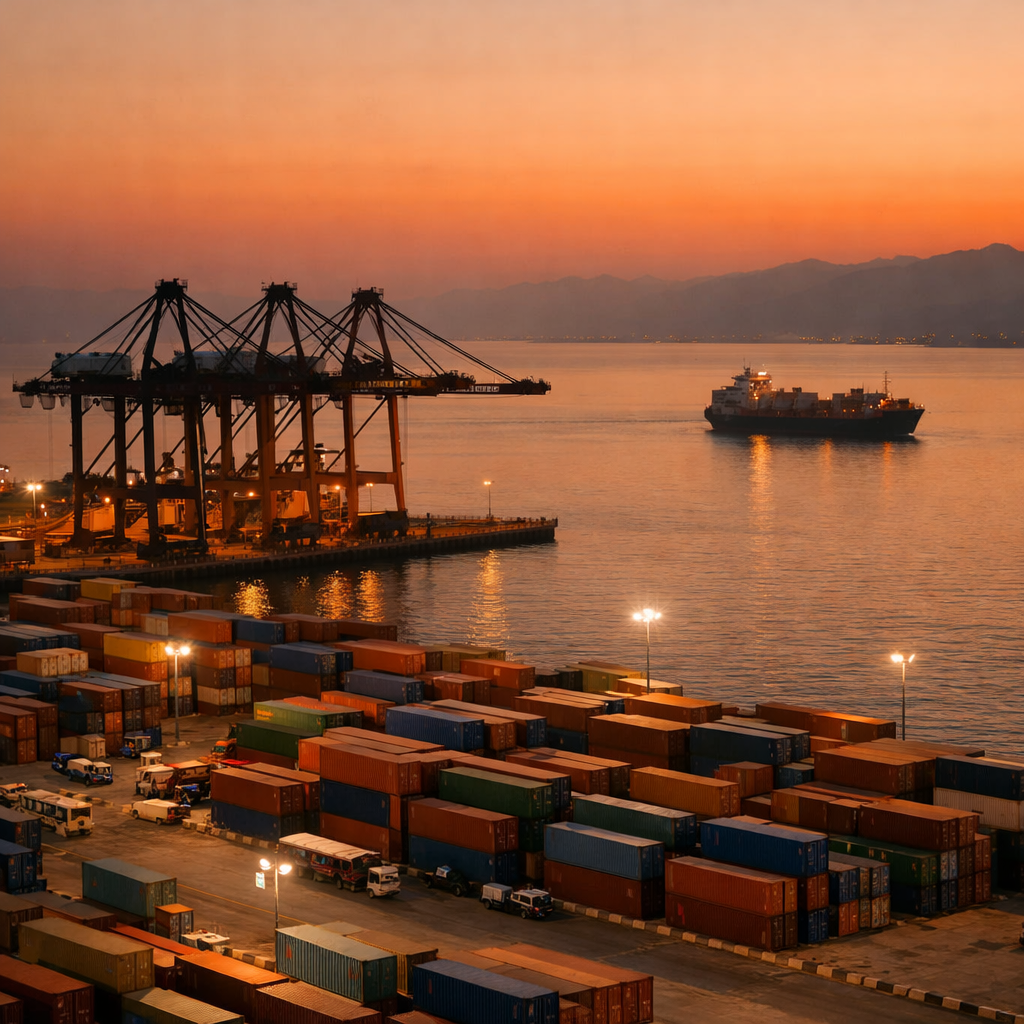
Hargeisa — A week of active diplomatic maneuvering across the Horn of Africa has placed Somaliland at the centre of several consequential regional conversations, as shifting alliances in the broader neighbourhood continue to reshape the strategic calculus for all parties involved. From the contested waters of the Red Sea to the corridors of Addis Ababa and Djibouti City, the following developments stand out as the most significant of the past seven days.
Ethiopia–Somaliland: Sea Access Talks Remain in Motion
Discussions between Hargeisa and Addis Ababa over potential Ethiopian access to the Berbera corridor have continued at a working level, with technical teams from both sides understood to be reviewing the operational and commercial frameworks that would underpin any formal agreement. Ethiopian officials have signalled that diversifying their trade and maritime access routes remains a strategic priority, particularly as relations with Djibouti — currently the dominant gateway for Ethiopian imports and exports — remain subject to periodic friction over port fees and transit arrangements.
The significance of this ongoing engagement cannot be overstated for Somaliland. A formalised economic partnership with Africa’s second most populous country would substantially bolster the case for Somaliland’s international recognition and provide the kind of economic anchor that Berbera Port’s operators, DP World, have long argued the corridor needs to reach its potential. Analysts caution, however, that domestic political pressures within Ethiopia, including tensions among regional states, may slow the pace of any binding commitments.
Djibouti: Regional Port Competition Intensifies
Djibouti’s government has moved to deepen infrastructure partnerships with Gulf investors as part of a broader strategy to reinforce its position as the Horn’s pre-eminent logistics hub, a status it perceives as increasingly under challenge from Berbera and, to a lesser extent, Eritrea’s Port of Massawa. Senior Djiboutian officials have communicated to regional counterparts that Djibouti remains open to multilateral transport frameworks but expects its primacy in the existing Ethiopia trade corridor to be respected in any new arrangements.
For Somaliland, this competitive dynamic is both a challenge and an opportunity. The more Djibouti positions itself as irreplaceable, the more Ethiopia’s interest in alternatives grows — and Berbera stands as the most logistically credible of those alternatives. Somaliland’s administration has been careful not to frame the relationship with Djibouti in adversarial terms, recognising that Djibouti City also hosts diplomatic missions that maintain indirect lines of communication with Hargeisa on behalf of several Western governments.
Somalia–Kenya: Bilateral Ties Edge Toward Normalisation
After more than a year of diplomatic turbulence, Mogadishu and Nairobi have taken visible steps toward re-establishing a functional working relationship, with senior envoys from both governments meeting in the Kenyan capital to discuss security cooperation along the shared border and resumed trade. The two sides are reported to have agreed in principle on a set of confidence-building measures, including joint patrols targeting Al-Shabaab infiltration routes through the Jubaland–Kenya border zone.
The normalisation carries indirect implications for Somaliland, which maintains its own quiet but substantive engagement with Nairobi. Kenya has historically been among the more sympathetic voices in the African Union regarding Somaliland’s governance record, and a Kenya that is once again playing an active mediating role in Somali affairs is one that Hargeisa will want to keep carefully engaged. Somaliland’s foreign ministry is understood to have briefed its Nairobi liaison office to monitor developments closely.
Eritrea–Ethiopia: Stalemate Persists, Red Sea Implications Mount
The relationship between Asmara and Addis Ababa remains frozen in a tense stalemate following the breakdown of post-Tigray conflict reconciliation efforts, with no high-level contact reported between the two leaderships in recent weeks. Eritrea has shown little interest in reopening formal dialogue channels and has instead continued to consolidate its own strategic positioning along the southern Red Sea littoral, a posture that regional security analysts say is likely to push Ethiopia further toward alternative sea access arrangements.
This dynamic feeds directly into Somaliland’s strategic positioning. The more constrained Ethiopia’s northern options become — whether through the Eritrean impasse or Djibouti’s pricing leverage — the more compelling the case for Berbera becomes on purely logistical grounds. Somaliland’s government has been measured in its public commentary on the Eritrea–Ethiopia relationship, but behind closed doors, officials are said to view the sustained freeze as quietly advantageous to their own negotiating position.
African Union and the Question of Regional Representation
Somaliland’s continued exclusion from African Union frameworks has once again come into focus following a series of AU-convened meetings on Horn of Africa security architecture from which Hargeisa was absent. Civil society groups and several international think tanks have renewed calls for the AU to devise observer or consultative mechanisms that would allow entities like Somaliland — which exercises de facto statehood and has maintained democratic elections — to participate in discussions directly affecting their territory.
Somaliland officials have reiterated their position that recognition, or at minimum formal engagement, is a matter of both legal justice and practical security necessity. With the Horn of Africa facing compounding threats from maritime insecurity, climate-driven displacement, and the residual presence of non-state armed groups, the argument that all effective governing authorities should have a seat at the table is finding a more receptive audience in some Western capitals and among African regional scholars, even if formal AU policy has yet to shift.

