
Berbera Port Positions Itself as Horn of Africa’s Next Major Trade Hub Amid Regional Realignment
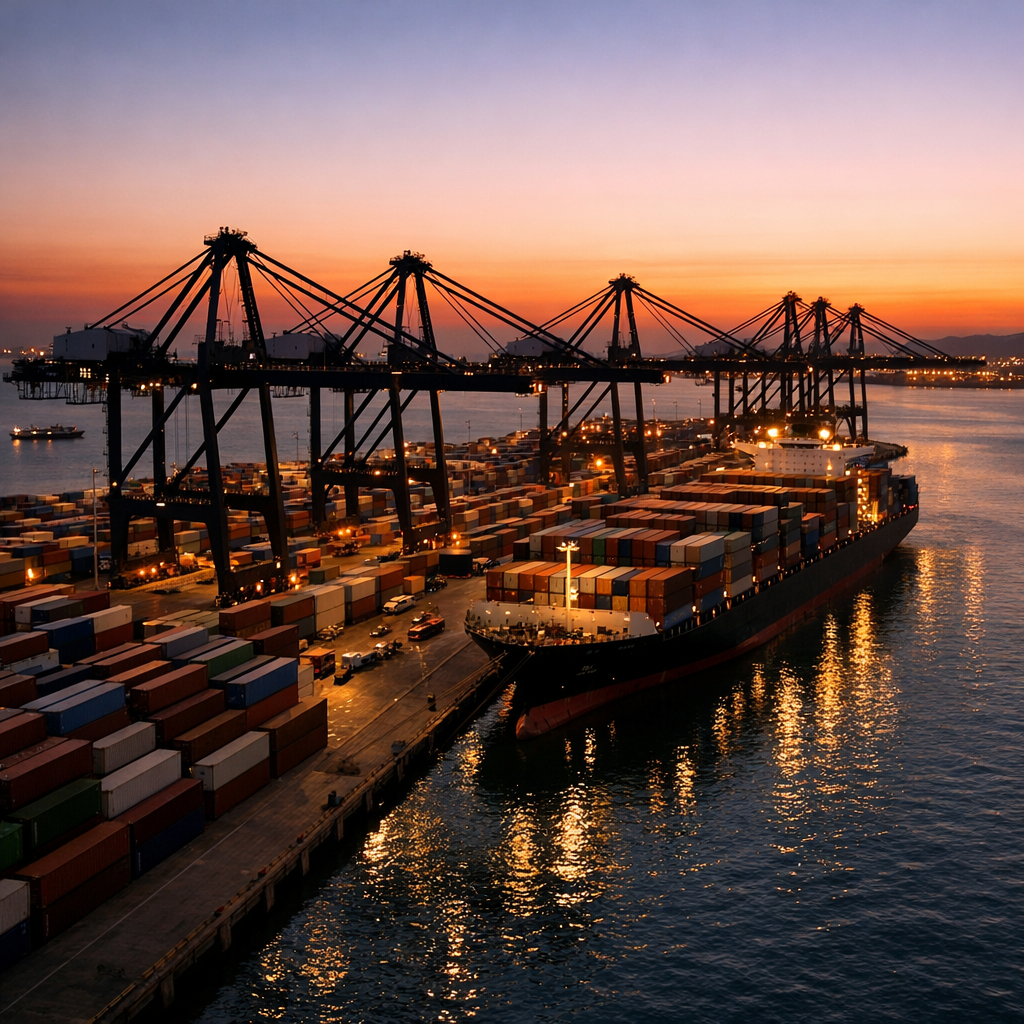
Hargeisa — Berbera Port is emerging as one of the most consequential logistics hubs in the Horn of Africa, with trade volumes and infrastructure investment accelerating in ways that are reshaping regional commerce and drawing renewed interest from international shipping companies and landlocked nations alike.
The port, managed under a long-term concession by DP World, has seen sustained growth in container throughput over the past two years, and Somaliland officials and economic analysts say the trajectory points toward a significant leap in regional market share. The Berbera Corridor — the overland route connecting the port to Ethiopia’s vast interior — remains the engine behind much of this ambition, offering a competitive alternative to Djibouti’s Doraleh Container Terminal, which has long dominated the region’s import-export flows.
Infrastructure Investment Driving Competitive Edge
Work on expanding Berbera’s berth capacity and deepening its draft capabilities has continued into 2025, with port authorities indicating that the upgrades will allow the facility to handle larger vessels and more diverse cargo classes than at any point in its history. The improvements are designed to accommodate post-Panamax container ships, a class of vessel that demands deep-water infrastructure and has historically bypassed smaller regional ports.
Somaliland’s Minister of Finance and Development has spoken publicly in recent months about the government’s intention to position Berbera not merely as a transit point but as a full-service logistics destination — one capable of supporting warehousing, free-zone commercial activity, and value-added processing industries. Officials say negotiations with additional international operators are ongoing, though no formal announcements have been made.
DP World, which holds a 30-year concession over the port’s commercial operations, has continued to invest in terminal equipment and digital port management systems. Industry observers note that the Dubai-based operator’s continued commitment is itself a signal of confidence in Somaliland’s political stability and the long-term viability of the Berbera route.
Ethiopia’s Demand Remains the Central Variable
At the heart of Berbera’s growth story is Ethiopia — Africa’s second most populous country and, since its dispute with Djibouti over port fees and its ongoing search for diversified maritime access, an increasingly motivated partner for Somaliland. Ethiopian freight moving through Berbera has grown substantially, and Addis Ababa’s logistics planners have signaled interest in reducing the country’s near-total dependence on Djibouti, which handles the vast majority of Ethiopia’s seaborne trade.
The Ethiopia-Somaliland port access memorandum of understanding, signed in January 2024, raised the stakes considerably by opening discussions on deeper access arrangements — including a potential naval or commercial base presence — that would bind the two parties in a more structural economic and security relationship. While the full implementation of that agreement remains a work in progress and has generated significant diplomatic turbulence with Somalia and other regional actors, the underlying trade relationship between Somaliland and Ethiopia has continued to deepen regardless of the political noise surrounding the MoU.
Trucking companies operating along the Berbera Corridor report that freight volumes have risen notably, with Ethiopian importers citing shorter transit times and lower demurrage costs as key advantages over the Djibouti route. Road improvements funded partly through international development partners have reduced journey times between the port and the Ethiopian border town of Togochale, making the corridor increasingly attractive for time-sensitive cargo including food imports and industrial goods.
Somaliland’s Broader Economic Vision
For Somaliland, a self-declared republic that has governed itself independently since 1991 without achieving formal international recognition, Berbera’s commercial rise carries significance that goes well beyond balance sheets. Port revenues are a critical pillar of government finances, and the port’s growing profile on the international logistics map has become a central argument in Hargeisa’s diplomatic outreach — a demonstration that Somaliland functions as a reliable, capable, and strategically valuable partner.
Economic analysts watching the region argue that Berbera’s momentum is unlikely to plateau in the near term. The combination of ongoing infrastructure upgrades, Ethiopia’s structural demand for maritime alternatives, and Somaliland’s competitive port fees creates a durable commercial case. The remaining challenge, observers say, is translating port-driven economic growth into broader development gains for Somaliland’s population — an imperative that will test both the government’s capacity and its political will in the years ahead.

