
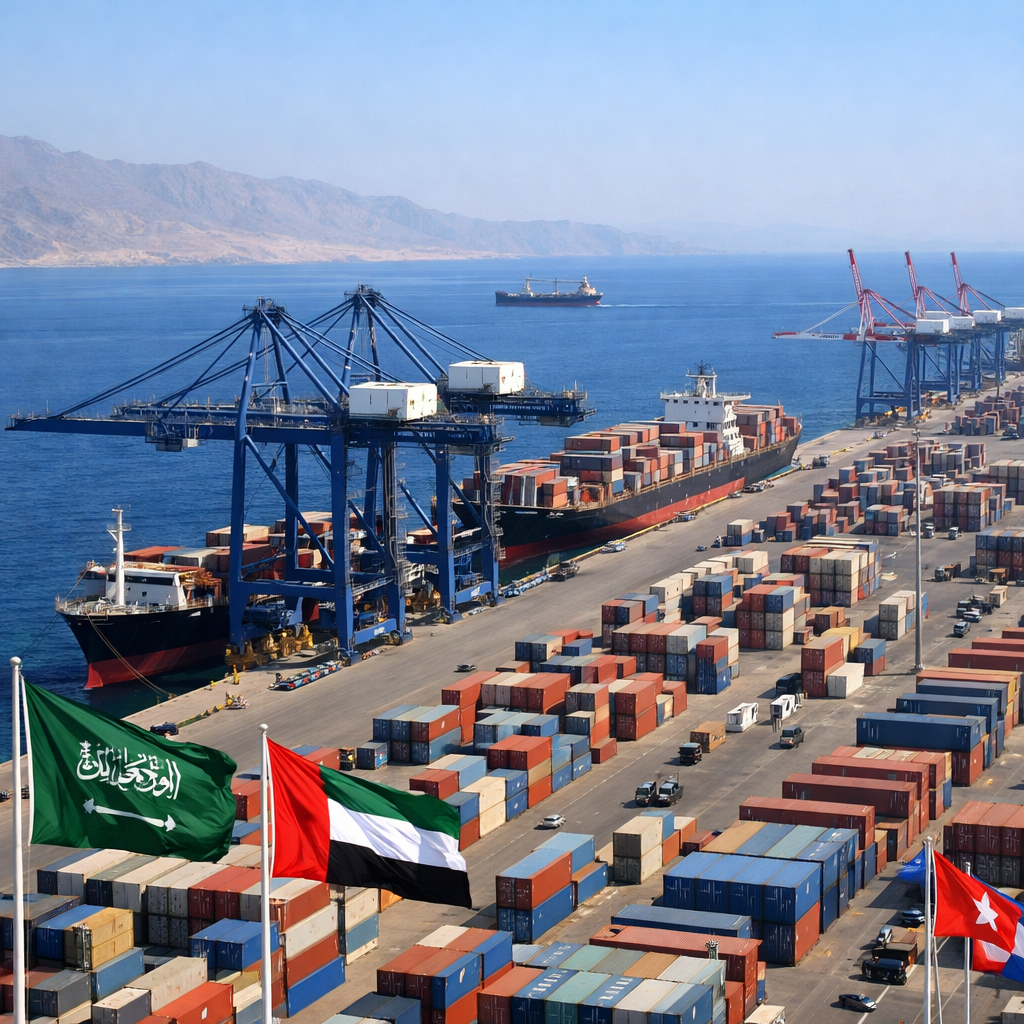
Berbera Corridor Investments Draw Renewed Gulf Interest Amid Regional Realignment
Hargeisa — Somaliland’s government has signaled a renewed push to attract Gulf state investment into the Berbera Port and the Berbera Corridor, as regional economic realignments and shifting trade routes across the Red Sea continue to elevate the strategic value of the self-declared republic’s coastline. Senior officials from Hargeisa held a series of meetings in recent weeks with representatives from the United Arab Emirates and other Gulf Cooperation Council member states, underscoring Somaliland’s ambition to cement itself as an indispensable logistics hub in the Horn of Africa.
The meetings, which took place both in Hargeisa and in Abu Dhabi, centered on expanding the existing DP World-operated port facilities at Berbera, accelerating the development of the Berbera Economic Zone, and broadening the highway corridor that links the port to Ethiopia’s landlocked interior. Officials close to the talks indicated that discussions touched on potential new financing mechanisms for infrastructure upgrades, including cold storage facilities, an expanded container terminal, and improved road and rail connectivity toward the Ethiopian border crossing at Tog Wajaale.
Strategic Geography Drives Investor Appetite
Berbera’s geographic position along the Gulf of Aden has become an increasingly attractive proposition for Gulf investors at a moment when Houthi attacks on commercial shipping in the Red Sea have forced major carriers to reconsider their logistical frameworks across the region. Analysts tracking Horn of Africa trade flows have noted that ports along the northern Somali coastline stand to benefit from rerouted cargo and heightened regional interest in supply chain resilience.
A senior Somaliland commerce official, speaking to Berbera Times on condition of background, conveyed that the government views the current environment as a rare window of opportunity. The official suggested that instability further north in the Red Sea corridor is paradoxically drawing the attention of precisely the kinds of sovereign wealth funds and logistics companies that Somaliland has long sought to court. The administration of President Abdirahman Irro, who took office earlier this year, is said to be prioritizing economic diplomacy as a cornerstone of its foreign engagement strategy.
Berbera Economic Zone: Progress and Challenges
The Berbera Economic Zone, established in partnership with DP World and the Government of Somaliland, has attracted a modest but growing number of light manufacturing and logistics tenants since its phased opening. However, development has proceeded more slowly than initial projections suggested, hampered by limited fresh water supplies, inconsistent electricity provision, and the broader challenge of doing business in a territory whose international recognition remains contested.
Gulf investors have historically been willing to operate in Somaliland through commercial frameworks that sidestep the question of formal statehood, treating engagements as standard business transactions rather than diplomatic acts. This pragmatic approach has allowed DP World, among others, to build a significant operational footprint in Berbera without triggering political complications in their home jurisdictions. Somaliland officials are hoping that the same logic will apply to prospective new entrants from Saudi Arabia and Qatar, both of which have expressed exploratory interest in energy and agricultural processing investments.
Ethiopia Dimension Remains Central
No discussion of the Berbera Corridor’s commercial potential proceeds far without reference to Ethiopia, which remains the port’s most critical potential hinterland market. The Ethiopia-Somaliland MoU signed in January 2024 raised the prospect of formalized Ethiopian access to Berbera, including discussions about a potential naval or commercial maritime presence. While the agreement has faced political headwinds — including resistance from Mogadishu and regional diplomatic friction — Somaliland officials maintain that the fundamental logic of the arrangement, giving landlocked Ethiopia a reliable Red Sea outlet, remains sound and continues to generate behind-the-scenes engagement.
Ethiopian freight volumes transiting through Berbera have grown incrementally, and corridor upgrades funded partly through international development finance have improved road conditions on key segments. Somaliland’s transport ministry has indicated it expects cargo throughput at Berbera to increase by a double-digit percentage over the coming fiscal year, driven in part by Ethiopian demand that has been partially diverted from the congested port of Djibouti.
Outlook
The coming months will test whether Somaliland’s economic diplomacy can convert expressions of interest into binding investment commitments. The Irro administration has staked considerable political credibility on delivering tangible economic dividends to a population that has long been patient with the promises of international engagement. With Gulf capital available, strategic geography favorable, and regional disruption creating openings, Somaliland’s window may be widening — but translating geography into governance-backed prosperity remains the enduring challenge for Hargeisa’s policymakers.

