
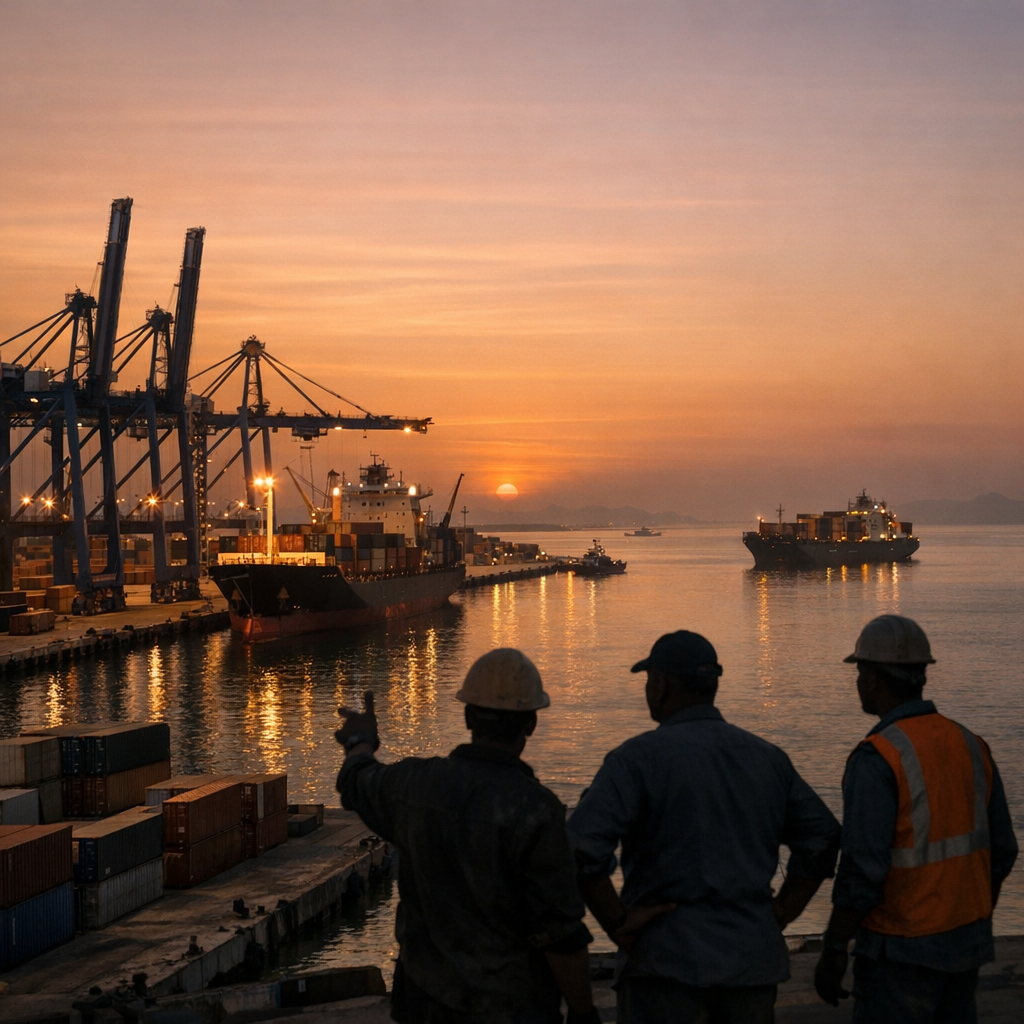
Hargeisa — This week’s diplomatic landscape across the Horn of Africa remained active, with Somaliland’s leadership engaged on multiple fronts as regional powers recalibrate alliances, infrastructure ambitions, and security arrangements. From the ongoing question of Berbera’s strategic role to Mogadishu’s international maneuvering and Ethiopia’s delicate balancing act with its neighbors, the region offered no shortage of consequential developments. Here is our roundup of the most significant stories shaping the geopolitical moment.
Somaliland–Ethiopia: Sea Access Dialogue Continues Quietly
Despite the absence of dramatic announcements, diplomatic sources indicate that back-channel discussions between Hargeisa and Addis Ababa regarding Ethiopian access to the Port of Berbera have continued in recent weeks. Ethiopian officials have maintained their interest in securing a reliable outlet to the Red Sea corridor following the troubled trajectory of the Addis Ababa–Mogadishu port memorandum, which drew fierce regional opposition earlier this year. Somaliland’s administration is understood to be approaching these conversations with measured confidence, aware that Ethiopia’s landlocked geography gives Berbera lasting leverage.
The broader significance of these talks extends well beyond trade. Any formalized arrangement between Somaliland and Ethiopia would carry implicit political weight, edging Hargeisa closer to the kind of de facto recognition it has long pursued. Analysts caution, however, that domestic political pressures within Ethiopia — particularly from Somali regional stakeholders — complicate Addis Ababa’s ability to move decisively. Progress is expected to remain incremental rather than transformative in the near term.
Djibouti: Port Competition and Diplomatic Undercurrents
Relations between Somaliland and Djibouti remain layered with both competitive tension and pragmatic cooperation, as both entities vie for influence over Red Sea shipping lanes. Djibouti’s government has accelerated its own port expansion initiatives in recent months, positioning itself to retain dominance as a transit hub for landlocked Ethiopia. Officials in Hargeisa have watched these moves carefully, understanding that Berbera’s commercial and strategic value is most compelling precisely when alternatives appear costlier or politically complicated.
Beneath the economic competition, there are also diplomatic signals worth noting. Djibouti has historically maintained a studied ambiguity toward Somaliland’s status, avoiding confrontation with Mogadishu while sustaining functional working ties with Hargeisa at a technical level. Recent regional forums have seen Djiboutian and Somalilander officials in proximity, though no formal bilateral agenda has been publicized. The relationship exemplifies the quiet pragmatism that often defines Horn of Africa diplomacy more than its louder headline moments.
Somalia–Kenya: Nairobi Seeks to Recalibrate Relations with Mogadishu
Kenya’s government has signaled a renewed interest in stabilizing its relationship with Somalia following a period of diplomatic friction rooted in maritime border disputes and differing positions on regional security architecture. Nairobi’s outreach is partly motivated by its desire to maintain influence in the lower Jubba region and to sustain trade flows that benefit Kenyan businesses operating in Mogadishu and the surrounding areas. Senior Kenyan officials have made informal overtures indicating readiness to engage on outstanding bilateral grievances.
For Somaliland, the Kenya–Somalia dynamic is worth monitoring closely. Nairobi has historically been among the more sympathetic capitals to Hargeisa’s aspirations for greater international engagement, hosting diaspora communities and business interests that span both entities. Any improvement in Kenya–Somalia relations that comes at the cost of Somaliland’s access to Kenyan diplomatic goodwill would represent a subtle but meaningful shift. Hargeisa’s foreign ministry is believed to be tracking the trajectory of these discussions with considerable attention.
Eritrea–Ethiopia: Frozen Normalization Raises Regional Concerns
The much-heralded normalization between Eritrea and Ethiopia, which captured international attention in 2018, appears to have stalled into a prolonged chill, with the border remaining effectively closed and diplomatic exchanges minimal. Regional observers note that Asmara’s posture has grown increasingly opaque, with Eritrean leadership offering few signals about its intentions toward either Addis Ababa or international interlocutors. The frozen relationship introduces an element of unpredictability into the northern Horn’s security environment.
The implications for Somaliland are indirect but real. A destabilized or militarized corridor between Eritrea and Ethiopia historically disrupts broader regional alignments and diverts the attention of international partners away from engagement with smaller Horn actors like Hargeisa. Somaliland’s diplomatic strategy has always depended in part on projecting stability as a contrast to regional turbulence — a posture that becomes more valuable, and more scrutinized, when neighboring dynamics grow uncertain.
Somaliland’s International Engagement: Gulf Ties and Quiet Lobbying
Somaliland’s government has continued its pattern of quiet but persistent diplomatic outreach beyond the immediate region, with engagement directed toward Gulf Cooperation Council member states remaining a priority. The UAE’s presence in Berbera through DP World’s port operations gives Abu Dhabi a material stake in Somaliland’s stability and economic trajectory, and Hargeisa has sought to deepen that relationship into broader political support. Discussions around investment facilitation and security cooperation have reportedly featured in recent contacts between the two sides.
Meanwhile, Somaliland’s representative offices in London, Washington, and other Western capitals have continued low-profile advocacy efforts aimed at raising the territory’s profile among parliamentarians, think tanks, and foreign ministry officials. The cumulative effect of this sustained engagement, while rarely producing dramatic breakthroughs, is understood to be building a foundation of institutional familiarity that Hargeisa hopes will eventually translate into more formal recognition or enhanced bilateral arrangements. Patience, Somaliland’s diplomats have long argued, is itself a strategy.

