
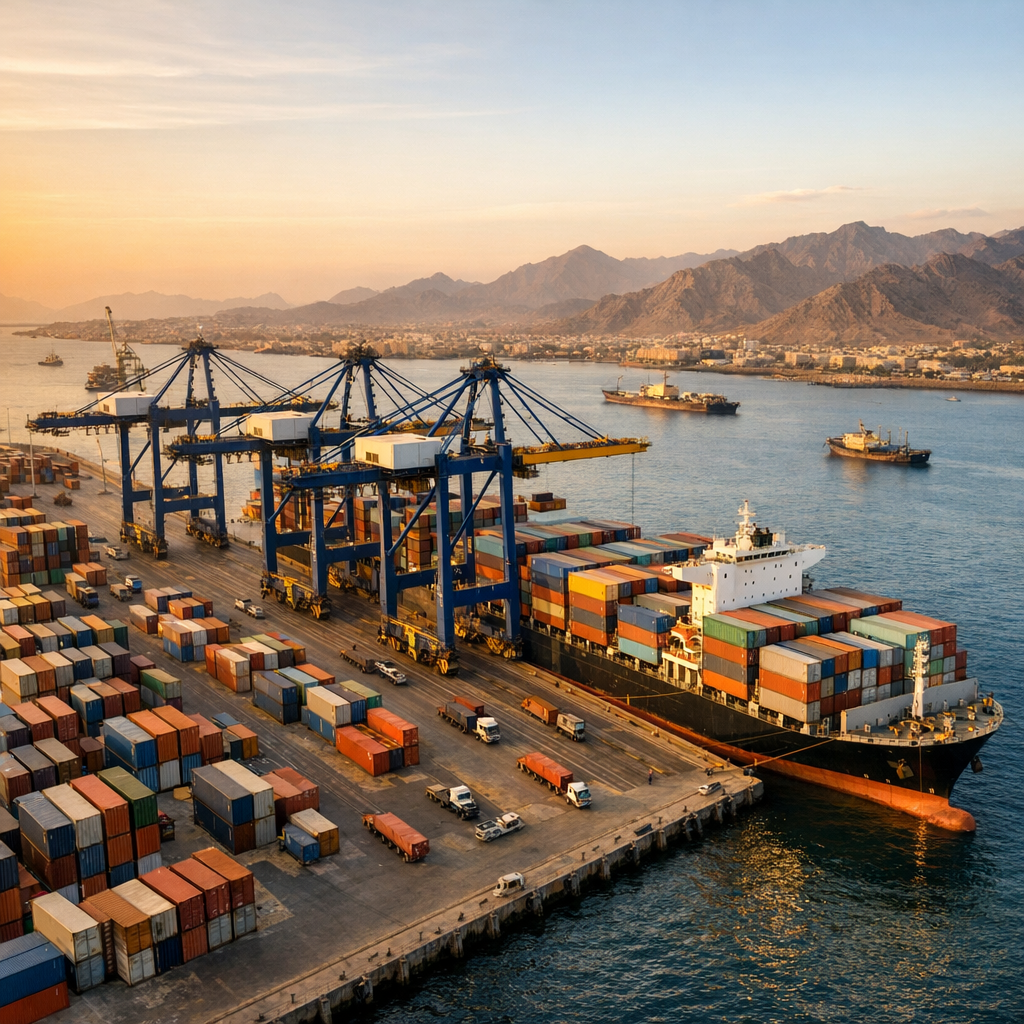
Berbera Emerges as a Strategic Hub Amid Growing Regional Demand
Hargeisa — Berbera Port is recording some of its strongest throughput figures in years, with trade officials in Somaliland reporting a marked increase in container volumes and livestock exports during the first half of 2025, as the territory presses ahead with infrastructure upgrades designed to cement its role as the Horn of Africa’s premier alternative maritime gateway.
Port authorities and logistics operators have confirmed that cargo handling at Berbera has grown substantially compared to the same period in 2024, driven in part by continued demand from Ethiopian traders and businesses seeking a reliable outlet to international markets. The figures underscore how deeply the corridor linking landlocked Ethiopia to the Gulf of Aden has become embedded in regional commerce, even as diplomatic complexities continue to shape the broader relationship between Hargeisa and Addis Ababa.
Ethiopian Trade Dependence on Berbera Remains Robust
Ethiopian importers and exporters have increasingly relied on the Berbera Corridor as a cost-effective and time-efficient alternative to the port of Djibouti, which handles the overwhelming majority of Ethiopia’s seaborne trade. Logistics consultants familiar with the corridor indicate that transit times from Berbera to Addis Ababa via the upgraded road network are now competitive, and in some cases superior, to rival routes. Freight operators have described the Berbera option as becoming a standard part of their planning rather than a contingency measure.
The commercial momentum is widely seen as a stabilising factor in Somaliland-Ethiopia relations, which were thrown into uncertainty following Mogadishu’s fierce opposition to a memorandum of understanding signed between the two parties in January 2024. That agreement, which envisaged Ethiopian access to a naval facility and a commercial stake in Berbera in exchange for political engagement toward Somaliland’s international recognition, has remained in a state of diplomatic limbo. Nevertheless, the underlying trade relationship has continued to deepen regardless of the stalled high-level negotiations.
Infrastructure Investment Accelerating Across the Corridor
Somaliland’s government has signalled its intention to push ahead with further investment in Berbera’s port infrastructure and the road network connecting it to the Ethiopian border at Tog Wajaale. Officials speaking at a recent economic forum in Hargeisa indicated that upgrading cold-chain logistics capacity and bonded warehouse facilities is a near-term priority, with the aim of attracting a broader range of commodities — including perishables and manufactured goods — that have traditionally bypassed the corridor.
The DP World-operated terminal at Berbera continues to serve as the backbone of the port’s container operations. Executives from the Dubai-based ports giant have previously described Berbera as a long-term strategic asset, and regional analysts say ongoing capital expenditure at the facility reflects confidence in the corridor’s growth trajectory. Plans to extend berth capacity and introduce new gantry cranes are understood to be at an advanced planning stage.
Livestock Exports Provide Additional Economic Boost
Beyond containerised cargo, Somaliland’s livestock sector is also benefiting from improved port infrastructure. The first half of 2025 has seen a healthy seasonal export of sheep and camels through Berbera to markets in Saudi Arabia and the wider Gulf, with animal welfare upgrades at the port’s dedicated livestock terminal credited for maintaining access to premium Gulf buyers who had previously raised concerns about handling standards.
Somaliland’s Chamber of Commerce has noted that livestock revenues remain a critical pillar of the national economy, and that investment in export infrastructure directly translates into income for pastoral communities across the country’s interior. Herders and traders interviewed in Hargeisa’s markets expressed cautious optimism, noting that improved facilities and reliable shipping schedules had reduced the losses from transit stress that had historically eroded profit margins.
Regional Context and the Road Ahead
The broader Horn of Africa context continues to present both opportunities and risks for Somaliland’s economic ambitions. Instability in parts of Ethiopia, shifting Djiboutian port pricing strategies, and the ongoing uncertainty over the Ethiopia-Somaliland MoU all factor into the calculus for regional shippers deciding where to route their cargo.
Analysts tracking the corridor say Somaliland’s best long-term strategy is to allow commercial logic to drive further integration, letting the volume of trade speak louder than unresolved political disputes. If the current growth trajectory holds through the second half of 2025, Berbera will be well positioned to consolidate its standing as an indispensable node in the Horn of Africa’s supply chain — with or without a formal diplomatic breakthrough in the near term.

