
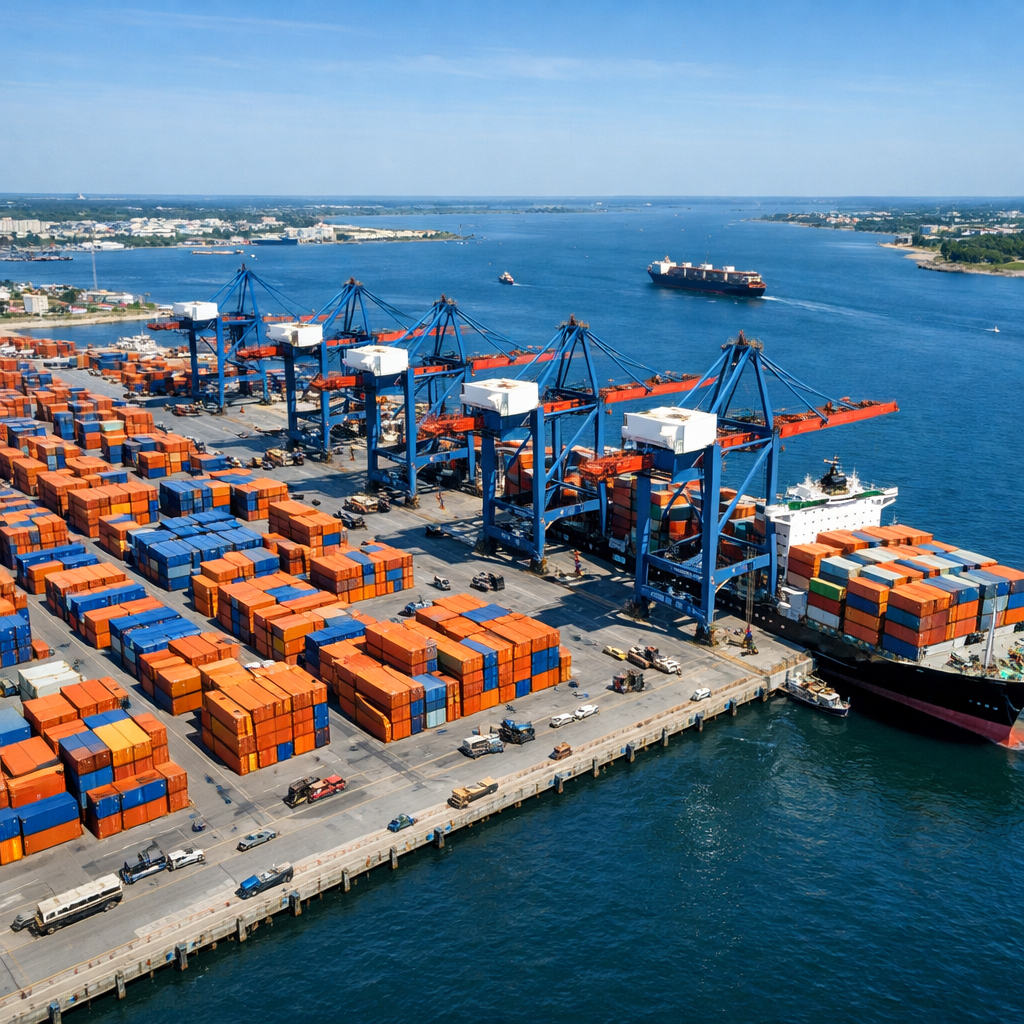
Somaliland Positions Berbera as Red Sea’s Next Major Trade Hub Amid Growing Gulf Investment Interest
Hargeisa — Somaliland’s government is pushing forward with an ambitious agenda to transform Berbera Port and the Berbera Corridor into a premier logistics and trade hub for the Horn of Africa, with fresh signals from Gulf-based investors and regional shipping firms suggesting that the port’s second major expansion phase is closer to securing full financing than at any point in recent years.
Senior officials in Hargeisa have held a series of meetings with representatives from UAE-based logistics companies and Saudi Arabian trade bodies over recent weeks, according to sources familiar with the discussions. The talks have centered on expanding container handling capacity at Berbera, improving cold-chain storage for livestock exports, and accelerating the upgrade of road infrastructure linking the port to the Ethiopian hinterland. While no formal agreements have been announced, government insiders describe the atmosphere as constructive and suggest that a framework deal could be within reach before the end of the year.
A Strategic Moment for the Port
The renewed investor interest comes at a strategically significant moment. Red Sea shipping disruptions tied to Houthi attacks on commercial vessels in Yemeni waters have forced global shipping companies to reroute cargo around the Cape of Good Hope, adding cost and time to supply chains. For some logistics planners, this has paradoxically drawn attention back to Gulf of Aden ports — including Berbera — as potentially more stable alternatives for certain cargo categories, particularly livestock, bulk grains, and humanitarian aid destined for the broader East African interior.
Industry analysts note that Berbera’s existing DP World-operated terminal infrastructure gives it a credibility advantage over competing smaller ports in the region. DP World, the Dubai-based ports giant, has managed the Berbera container terminal since 2017 and holds a long-term concession. The company has previously signaled interest in further investment contingent on stable political conditions and improved inland connectivity.
Somaliland’s Trade and Investment Minister, speaking to local media this week, indicated that the government regards the port’s development as inseparable from the broader project of building an internationally recognized economy. Officials framed Berbera not merely as a revenue source but as a geopolitical asset — one that demonstrates Somaliland’s functional statehood and its capacity to anchor regional commerce in ways that benefit neighbors and global partners alike.
The Ethiopian Dimension
Central to Berbera’s commercial logic remains its role as Ethiopia’s most viable alternative sea access point. The Ethiopia-Somaliland port access MoU, signed in January 2024, elevated the relationship between Hargeisa and Addis Ababa and drew intense international scrutiny. While the broader diplomatic dimensions of that agreement have evolved amid shifting regional politics, the underlying commercial rationale — that landlocked Ethiopia needs reliable, cost-effective access to the sea — remains unchanged and arguably stronger than ever.
Ethiopian importers and exporters have continued to use the Berbera Corridor, and Somaliland officials say transit volumes have grown modestly in the past twelve months. Plans to widen key sections of the A1 highway between Berbera and the Ethiopian border town of Tog Wajaale remain on the table, with feasibility studies reportedly completed and donor engagement ongoing.
Somaliland’s Broader Recognition Push
The port expansion drive is unfolding alongside Somaliland’s continued efforts to secure formal international recognition. Government officials have consistently argued that economic self-sufficiency and demonstrated institutional competence are the most persuasive arguments for statehood — more durable, they suggest, than diplomatic lobbying alone.
Observers in Hargeisa note that a thriving, internationally integrated port would make Somaliland substantially harder to dismiss in global capitals. A port processing hundreds of thousands of containers annually, anchoring Ethiopian trade, and attracting Gulf sovereign wealth, would represent precisely the kind of tangible functionality that recognition advocates believe can shift international opinion over time.
Challenges Ahead
Significant obstacles remain. Infrastructure financing for the Berbera Corridor’s road sections has moved slowly, with competing donor priorities and bureaucratic delays frustrating planners. Livestock export volumes, once Somaliland’s primary port revenue driver, have remained vulnerable to periodic Saudi import bans and shifting Gulf veterinary regulations. And the broader regional security environment, while stable in Somaliland’s core territory, continues to require careful management.
Nevertheless, the trajectory heading into 2025 is one of cautious optimism among Somaliland’s economic planners. The convergence of Gulf investor interest, sustained Ethiopian transit demand, and global shipping disruptions creating unexpected openings has produced what one Hargeisa-based economist described as a window of opportunity that Somaliland would be wise to move through quickly and decisively.

