
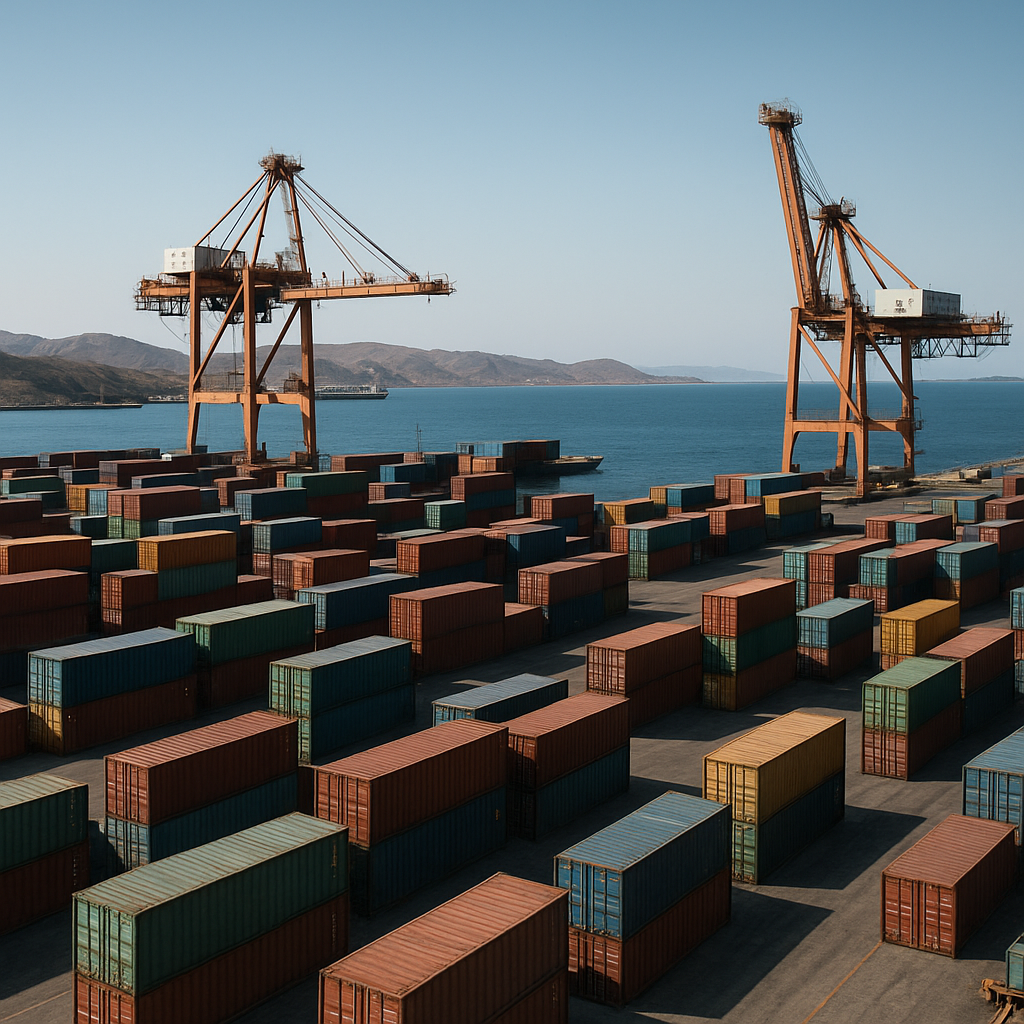
Berbera Emerges as Regional Hub Amid Growing Gulf Investment Interest
Hargeisa — Somaliland’s Berbera Port and the Berbera Corridor are drawing renewed attention from Gulf investors and regional trade partners, with port throughput figures for the first half of 2025 pointing to a significant upswing in cargo volumes and transit traffic that officials say confirms Berbera’s growing status as a strategic logistics hub on the Red Sea coast.
Senior officials at the Somaliland Port Authority have indicated that container handling at Berbera increased by roughly a quarter compared to the same period last year, driven in part by expanded Ethiopian transit cargo and a broader rerouting of regional shipping away from congested or conflict-affected ports in the wider Red Sea corridor. The figures, while still modest compared to Djibouti’s dominant throughput, represent a meaningful trajectory for a port that has undergone substantial infrastructure upgrades in recent years under a development partnership with DP World.
Gulf Investors Signal Expanded Interest
Business delegations from the United Arab Emirates and Saudi Arabia have visited Hargeisa and Berbera in recent months, according to sources familiar with the discussions, with conversations centering on potential expansions in logistics, cold-storage facilities, and energy infrastructure tied to the port’s free-trade zone. Somaliland’s Minister of Finance and Trade has publicly welcomed the interest, describing the Gulf states as natural partners given historic commercial and cultural ties, and expressing optimism that concrete investment agreements could be finalized before the end of the year.
Analysts who follow Horn of Africa trade patterns say Berbera’s appeal is partly structural. As geopolitical pressures continue to affect shipping routes through the Bab el-Mandeb strait and Houthi activity in Yemeni waters has periodically disrupted Red Sea commerce, shippers and logistics firms have been reassessing their reliance on a single dominant regional gateway. Berbera, with its deep-water berths, relatively stable security environment, and improving road links into Ethiopia’s Somali Regional State, offers a compelling alternative routing option.
Ethiopia Transit Traffic a Key Driver
A central pillar of Berbera’s growth story remains its role as a transit corridor for landlocked Ethiopia, Africa’s second most populous nation. Following the framework established under the Ethiopia-Somaliland port access MoU, bilateral trade facilitation mechanisms have gradually matured, and Ethiopian importers and exporters have incrementally shifted portions of their cargo through Berbera to reduce dependence on Djibouti, where port fees and congestion have long been cited as significant cost burdens.
Trucking operators along the Berbera-Wajaale corridor report that daily traffic has increased noticeably, with goods ranging from consumer electronics and agricultural inputs moving into Ethiopia and livestock and industrial materials flowing in the opposite direction. Road maintenance and customs clearance efficiency remain areas where further investment is needed, logistics professionals acknowledge, but the overall direction of travel is seen as positive.
Free Zone Development Picking Up Pace
The Berbera Economic Free Zone, developed in partnership with DP World, has been gradually attracting light manufacturing and warehousing tenants, with officials describing a pipeline of additional companies assessing the zone as a base for servicing both the Ethiopian hinterland and broader East African markets. The zone’s proximity to the port and its preferential customs regime are cited as key draws, alongside Somaliland’s relatively predictable regulatory environment compared to some regional competitors.
The Somaliland government has signaled its intention to further streamline business licensing procedures and improve utility provision within the free zone to accelerate tenant uptake, framing economic development as a cornerstone of its broader strategy to demonstrate effective governance and strengthen its case for wider international recognition.
Challenges Remain
Despite the positive momentum, observers caution that Berbera’s rise is not without obstacles. Competition from Djibouti, which continues to invest heavily in port infrastructure and maintains deeply entrenched relationships with Ethiopian state logistics entities, remains fierce. Financing constraints on road and rail connectivity improvements could also slow the corridor’s ability to absorb higher cargo volumes without bottlenecks emerging.
Currency pressures and the broader macroeconomic environment in Somaliland, including inflationary strains on household incomes, add complexity to the optimistic headline figures. Nevertheless, port and trade officials project continued growth through the remainder of 2025, and Gulf partners appear increasingly inclined to treat Berbera not as a peripheral footnote to Red Sea logistics but as an emerging node deserving serious strategic attention.

