
Hargeisa Signals New Era of Economic Diplomacy Amid Growing Gulf Interest in Berbera Corridor
Hargeisa — Somaliland’s government has intensified its diplomatic outreach toward Gulf Cooperation Council member states in recent months, as senior officials signal that renewed interest from Gulf investors in Berbera Port and the Berbera Corridor could unlock transformative economic partnerships for the self-declared republic. The push reflects Hargeisa’s broader strategy of leveraging its strategic Red Sea coastline to attract foreign investment and build the international legitimacy it has long sought.
Senior officials from Somaliland’s Ministry of Foreign Affairs have held a series of meetings with counterparts and business delegations from the United Arab Emirates and Saudi Arabia, with discussions centering on expanded port infrastructure, logistics, and potential free-zone development around Berbera. Government representatives have described the conversations as substantive and forward-looking, indicating that the Gulf states view Somaliland’s coastline as a critical node in regional trade routes connecting the Red Sea to landlocked East African markets.
Berbera’s Strategic Value at the Center of Talks
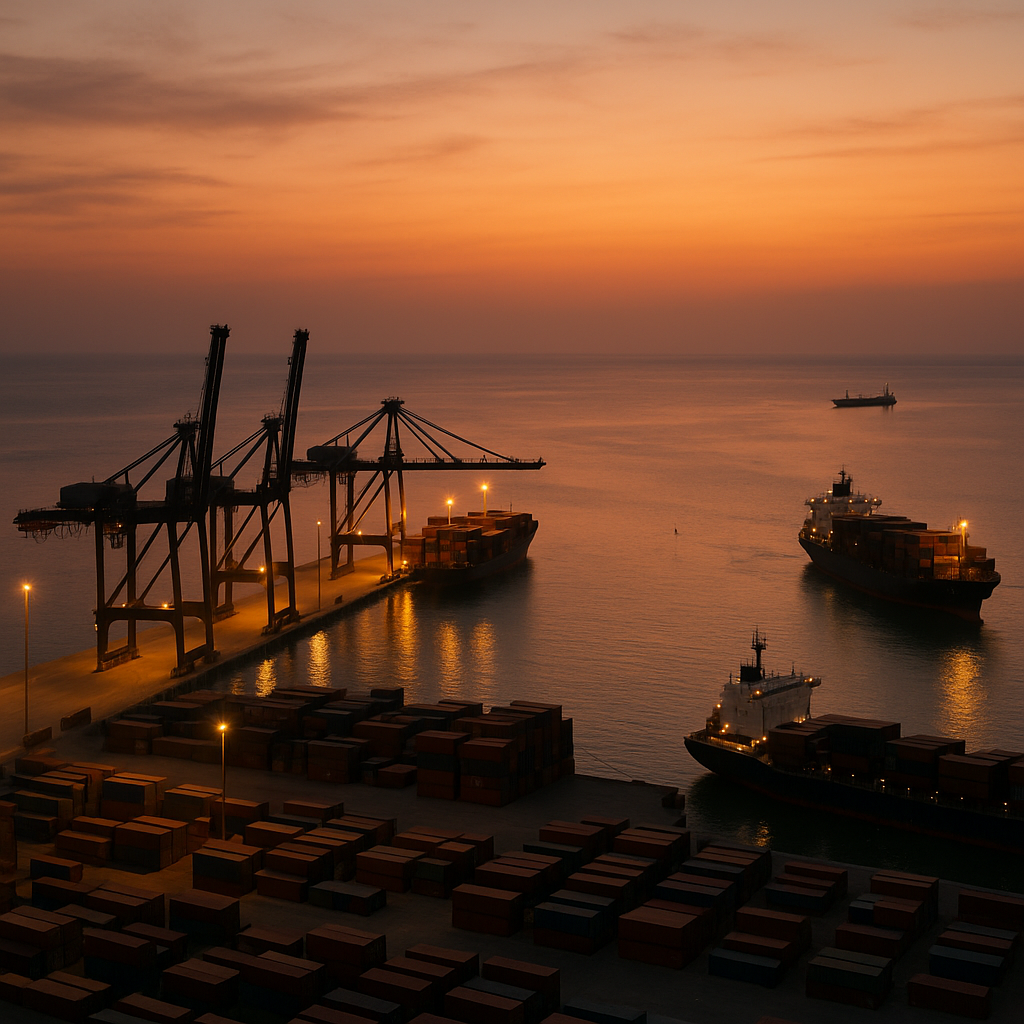
Berbera’s deep-water port, already expanded through a major DP World investment deal, continues to serve as Somaliland’s most compelling calling card in foreign engagement. Officials in Hargeisa have indicated that prospective Gulf partners are exploring opportunities that go beyond the existing DP World arrangement, including potential energy infrastructure projects and cold-storage logistics facilities aimed at capturing agricultural export flows from Ethiopia and beyond.
The Berbera Corridor — the road and trade route linking the port to Ethiopia’s landlocked interior — remains central to the economic pitch Hargeisa is making to foreign investors. With Ethiopia representing one of Africa’s fastest-growing consumer markets, Somaliland officials argue that Berbera offers a shorter, more efficient route to the sea than alternatives currently available to Addis Ababa. This geographic argument has gained additional resonance following the momentum generated by the Ethiopia-Somaliland MoU on port access, which brought renewed international attention to the corridor’s potential despite ongoing diplomatic sensitivities surrounding the agreement.
Recognition Ambitions Woven Into Economic Strategy
Analysts who follow Somaliland closely note that the government in Hargeisa is deliberately weaving its recognition ambitions into its economic diplomacy, calculating that deepening commercial ties with influential Gulf states could eventually translate into political goodwill and, over time, steps toward formal acknowledgment of Somaliland’s independence and international recognition. While no Gulf state has moved toward formal recognition, the sustained engagement at a business and governmental level is seen by Somaliland officials as meaningful progress in a region where economic interests often precede political decisions.
Regional analysts caution, however, that Gulf states have historically been careful not to antagonize Mogadishu, with whom they maintain significant financial and political ties. Somalia’s federal government has consistently opposed any international engagement with Somaliland that could be interpreted as legitimizing its bid for independence, complicating the diplomatic landscape for any prospective partner. Hargeisa’s challenge remains convincing Gulf capitals that the economic rewards of deeper engagement with Somaliland outweigh the diplomatic costs of friction with Somalia.
Broader Diplomatic Calendar Filling Up
Beyond the Gulf, Somaliland’s foreign affairs apparatus has been increasingly active on multiple fronts. Delegations have traveled to several European capitals in recent weeks to press the case for greater political engagement, and officials have pointed to expanding ties with Taiwan — a relationship rooted in mutual interest as entities seeking broader international acknowledgment — as a model for the kind of pragmatic diplomacy Hargeisa is pursuing.
At home, the diplomatic activity has been welcomed by business communities in Hargeisa and Berbera who see increased foreign investment as essential to absorbing a young and rapidly growing workforce. Trade associations have called on the government to accelerate negotiations and ensure that any new investment agreements include provisions for local employment and skills transfer, reflecting lessons drawn from earlier large-scale infrastructure deals.
Eyes on the Long Game
Somaliland’s leadership appears to be playing a careful long game — building economic interdependencies with powerful external actors while maintaining internal political stability as a demonstration of governance capacity. Officials have repeatedly emphasized to foreign partners that Somaliland has held multiple peaceful, multiparty elections and operates functioning institutions, distinguishing it from much of the broader region.
Whether the current momentum in Gulf and international engagement translates into the concrete investment commitments and political breakthroughs Hargeisa is seeking remains to be seen. But the pace and breadth of Somaliland’s diplomatic calendar in 2025 suggests a government determined to capitalize on its geographic and strategic assets before the regional geopolitical window shifts again.

