
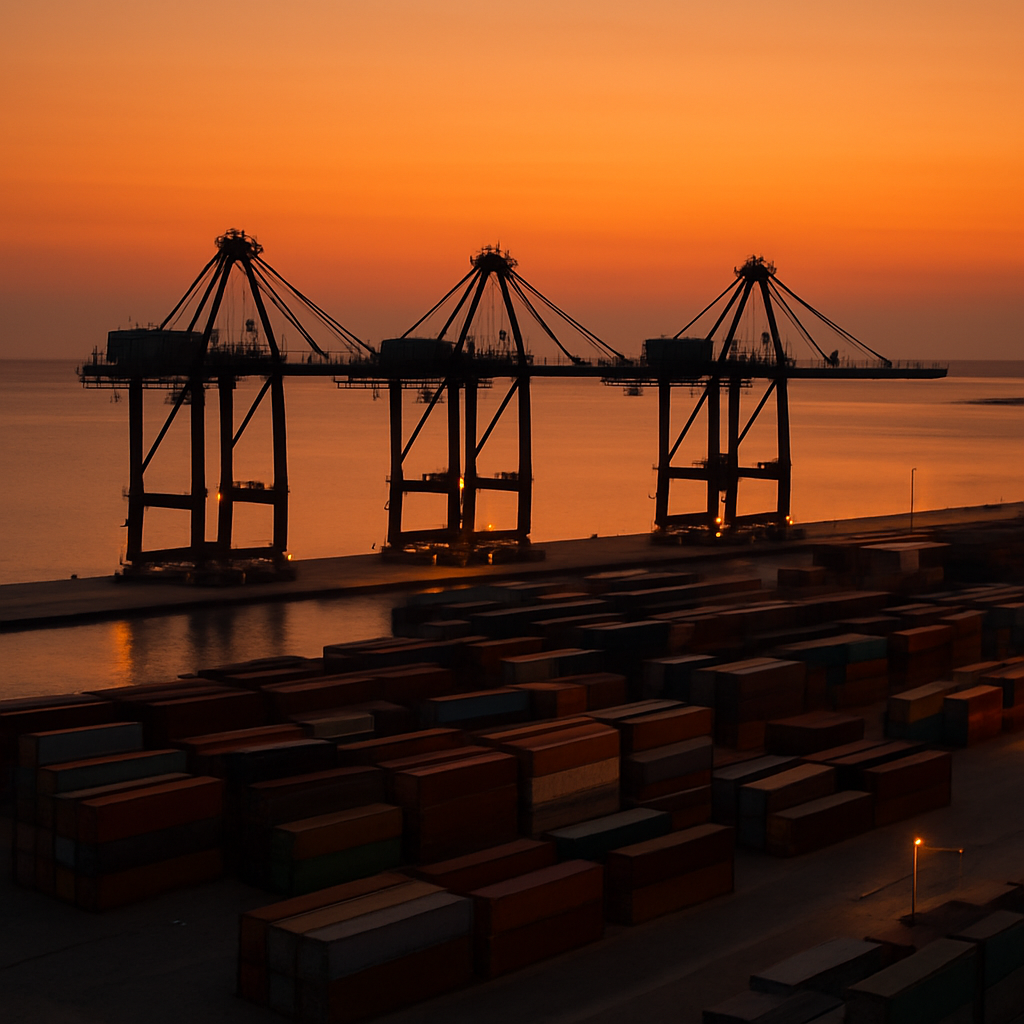
Hargeisa — As geopolitical currents continue to reshape the Horn of Africa, Somaliland finds itself at the intersection of several consequential diplomatic movements this week. From the ongoing reverberations of the Ethiopia-Somaliland Memorandum of Understanding to evolving tensions within the broader regional architecture, this briefing surveys the most significant developments affecting Hargeisa’s foreign engagements and the wider neighbourhood.
Ethiopia-Somaliland MOU: Implementation Signals and Regional Anxiety
The landmark Memorandum of Understanding signed between Somaliland and Ethiopia earlier this year continues to generate both cautious optimism in Hargeisa and persistent unease across the region. Ethiopian officials have reiterated in recent communications that Addis Ababa remains committed to the framework, which would grant Ethiopia access to the Red Sea coast in exchange for economic incentives and potential diplomatic recognition for Somaliland. Technical working groups on both sides are understood to be examining the logistics of a possible naval and commercial access arrangement at the port of Berbera, with infrastructure timelines under review.
The agreement’s durability, however, is being tested by competing regional pressures. Mogadishu has continued to frame the deal as a violation of Somali sovereignty, and has been actively lobbying Arab League partners and African Union member states to treat the MOU as legally void. For Somaliland, the stakes could not be higher — the prospect of Ethiopian recognition, or even a formalized bilateral relationship, represents the most significant diplomatic opening the territory has had in decades of pursuing international standing.
Djibouti Recalibrates as Red Sea Competition Intensifies
Djibouti, long the dominant gateway for landlocked Ethiopian trade, is watching developments in Berbera with considerable strategic interest. Senior officials in Djibouti City have in recent weeks engaged in a series of consultations with Gulf partners and international port operators, signalling a recognition that the country’s near-monopoly on Ethiopian transit commerce may be under structural threat. The government of President Ismail Omar Guelleh has been deepening ties with both China and the United Arab Emirates as a hedge against possible trade diversion toward Berbera.
For analysts focused on Horn of Africa logistics, Djibouti’s recalibration is significant. The port of Berbera — already expanded under a DP World management agreement — has the capacity to absorb a meaningful share of Ethiopian cargo if political conditions align. Djibouti’s response will likely shape how aggressively Ethiopia pushes forward its Somaliland engagement, as Addis Ababa weighs regional relationships against strategic access calculations.
Somalia-Kenya Relations: Nairobi Reasserts Engagement
Kenya has moved to reinvigorate its diplomatic ties with the Federal Government of Somalia following a period of bilateral friction that had seen ambassadors recalled and border tensions flare. Nairobi dispatched a senior delegation to Mogadishu this week, with discussions centred on security cooperation in the Lower Jubba region, the management of Somali refugee flows, and coordinated approaches to the threat posed by al-Shabaab along the porous Kenya-Somalia border.
The rapprochement carries implications for Somaliland as well. Kenya has historically maintained low-key but meaningful engagement with Hargeisa, and any realignment of Nairobi’s Somalia posture tends to ripple through to Somaliland’s own diplomatic positioning. If Kenya strengthens its ties with Mogadishu substantively, Somaliland may need to work harder to maintain its own channel with Nairobi — a relationship that has served as an informal diplomatic lifeline in the absence of formal recognition.
Eritrea-Ethiopia Tensions: A Fragile Northern Flank
Relations between Addis Ababa and Asmara remain strained despite the internationally celebrated 2018 peace agreement that once promised a new era for the two neighbours. Reports from the border region indicate a continued military build-up on the Eritrean side, and diplomatic communication between the two capitals has grown sparse. The underlying causes — including unresolved territorial demarcation, suspicions over Eritrea’s role during the Tigray conflict, and competition for regional influence — have not been addressed through any substantive negotiating process.
The implications for the Horn are considerable. An unstable Ethiopia-Eritrea axis complicates Addis Ababa’s ability to project confidence in its foreign commitments, including its agreement with Somaliland. If Ethiopia becomes preoccupied with a deteriorating northern frontier, momentum on the Berbera access deal could slow. Regional observers note that Asmara views Ethiopia’s Red Sea ambitions — including via Somaliland — with suspicion, adding another layer of complexity to an already crowded strategic environment.
Somaliland’s Gulf Diplomacy: Quiet but Purposeful
Away from the headlines, Somaliland’s government has been quietly intensifying outreach to Gulf Cooperation Council states, particularly the United Arab Emirates and Saudi Arabia. Hargeisa’s relationship with the UAE — anchored in part by DP World’s role at Berbera — has remained among its most productive bilateral engagements, and Somaliland officials have been exploring whether deeper economic frameworks, including potential investment in the livestock sector and energy infrastructure, might be formalised. Saudi Arabia, a critical market for Somaliland’s livestock exports, has also been the subject of renewed diplomatic attention following past import bans that severely damaged the territory’s economy.
Officials close to the Somaliland presidency have indicated that broadening the Gulf relationship beyond port logistics is a priority of the current administration. Formalised trade agreements, even short of political recognition, would significantly enhance Somaliland’s economic resilience and give its government greater leverage in its broader international engagement strategy.

