
Hargeisa Intensifies Recognition Campaign Amid Shifting Regional Dynamics
Hargeisa — Somaliland’s government has stepped up its international diplomatic campaign in recent months, pursuing a series of high-level engagements with Gulf states, European partners, and Western governments as the self-declared republic works to convert growing international interest into formal diplomatic recognition. Senior officials from Hargeisa have conducted rounds of meetings across multiple capitals, presenting Somaliland’s case for statehood, its democratic credentials, and its strategic value as a stable partner in an otherwise turbulent Horn of Africa.
The diplomatic push comes at a moment of notable opportunity for Hargeisa. Somaliland’s long-standing bid for international recognition, which has persisted for more than three decades since the republic unilaterally declared independence from Somalia in 1991, has gained fresh momentum as global powers increasingly recognize the region’s geostrategic importance. The Gulf of Aden shipping lanes, the proximity to Yemen, and the broader Red Sea security environment have all elevated the Horn of Africa on the agendas of Washington, London, Brussels, and Gulf capitals alike.
Gulf States Take Closer Look at Berbera’s Strategic Value
Among the most consequential conversations underway are those involving Gulf Cooperation Council member states, particularly the United Arab Emirates and Saudi Arabia, both of which have long-standing commercial and security interests in the Horn of Africa. Somaliland officials have indicated that discussions with Emirati counterparts have moved beyond the purely commercial sphere — where the UAE’s DP World has operated Berbera Port under a long-term concession agreement — toward broader questions of political engagement and security partnership.
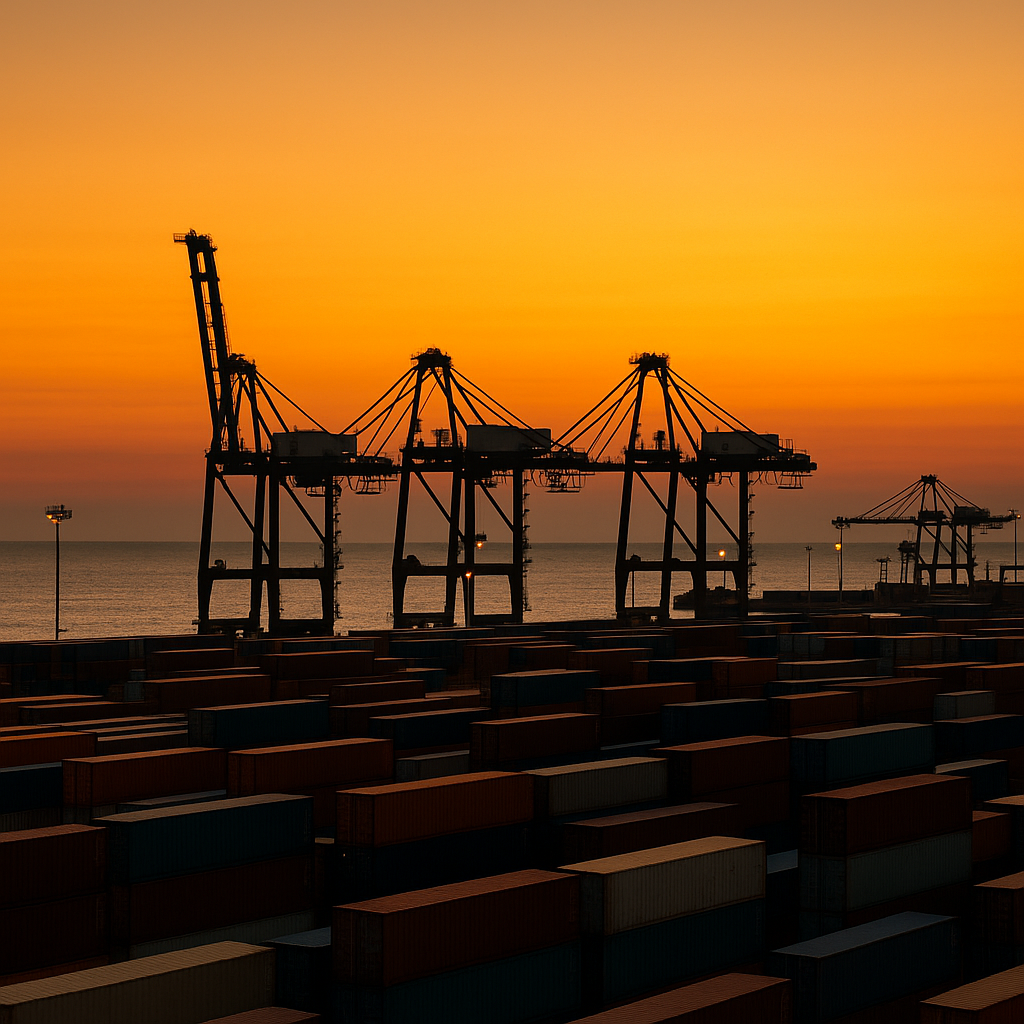
Berbera Port itself continues to be the centrepiece of Somaliland’s economic and diplomatic narrative. Officials in Hargeisa point to the port’s expanding capacity, its growing role as a transit hub for Ethiopian trade, and ongoing infrastructure development along the Berbera Corridor as tangible evidence that Somaliland represents a reliable and functional partner for international investment. Throughput volumes have grown steadily, and port authorities have signalled ambitions to position Berbera as the dominant logistics gateway for landlocked Ethiopia and potentially for broader East African markets.
Ethiopia Relationship Remains Central Despite Regional Pressures
The relationship with Addis Ababa remains a defining pillar of Somaliland’s strategic positioning, even as that relationship has navigated complex pressures from Somalia and from shifting Ethiopian domestic politics. The Ethiopia-Somaliland MoU signed in early 2024, which envisions Ethiopian access to Berbera in exchange for diplomatic recognition, continues to be referenced by Hargeisa officials as a landmark agreement, though its full implementation remains the subject of ongoing diplomatic work between the two sides.
Somaliland’s foreign ministry has characterised the Ethiopia relationship as fundamentally sound, despite pressure from Mogadishu on Addis Ababa to walk back elements of the agreement. Officials argue that Ethiopia’s need for reliable, cost-effective Red Sea access is a structural economic reality that transcends political fluctuations, and that Berbera offers Addis Ababa advantages that no alternative route can fully replicate in terms of distance, cost, and the political stability of the host territory.
Western Governments Express Cautious Interest
In European and American capitals, Somaliland has continued to find sympathetic audiences, though formal recognition remains elusive. British parliamentarians and officials have repeatedly expressed support for deeper engagement with Hargeisa, and a cross-party group at Westminster has been vocal in pushing the UK government to take bolder steps. In Washington, think tanks and policy voices have increasingly framed Somaliland recognition as consistent with American strategic interests in the Red Sea region, particularly in the context of Houthi threats to shipping and China’s expanding influence in Djibouti.
Somaliland’s government has sought to frame its recognition campaign not merely as a matter of historical justice or democratic principle — though officials invoke both — but as a straightforward strategic proposition for Western partners. The argument runs that a recognised Somaliland would offer a stable, democratically-governed, Western-aligned anchor in a region where such qualities are in short supply.
Hargeisa Maintains Optimistic Tone Despite Long Odds
Despite the difficulties that have always attended Somaliland’s recognition campaign, the mood in Hargeisa’s diplomatic circles is characterised by cautious optimism. Officials point to a convergence of factors — Red Sea instability, Ethiopian port hunger, Gulf commercial investment, and growing disillusionment with Somalia’s federal government — as creating conditions more favourable to a breakthrough than at any previous point in the republic’s history.
Whether that optimism will translate into formal recognition from any sovereign state in the near term remains uncertain. What is clear is that Somaliland’s leadership has resolved to press its case with renewed urgency, betting that the current window of international attention on the Horn of Africa will not remain open indefinitely.

