
Berbera Corridor Investments Draw Fresh Interest from Regional and Gulf Investors
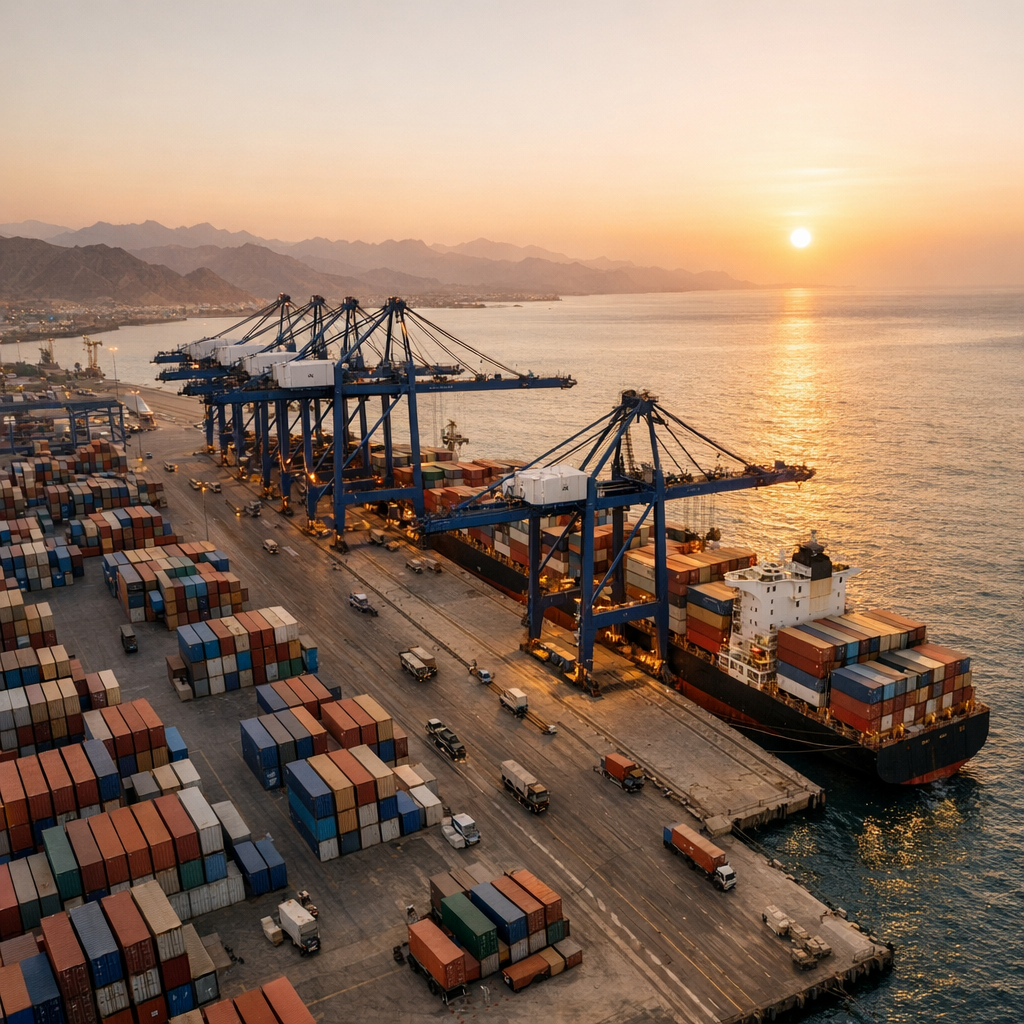
Hargeisa — Somaliland’s government is pushing forward with an ambitious economic agenda centered on the Berbera Port and the Berbera Corridor, as renewed interest from Gulf-based investors and regional partners signals growing confidence in the self-declared republic’s commercial potential. Senior officials in Hargeisa have confirmed that multiple rounds of negotiations are underway with private and sovereign-backed entities from the United Arab Emirates, Saudi Arabia, and other Gulf Cooperation Council member states, aiming to accelerate infrastructure development along the strategically vital trade route connecting the Red Sea coast to landlocked Ethiopia and beyond.
The push comes at a critical juncture for Somaliland, which has long sought to leverage its geographic position at the mouth of the Gulf of Aden to attract foreign direct investment and build an independent economic foundation capable of supporting its long-running bid for international recognition. Government spokespersons have indicated that Hargeisa views economic self-sufficiency and demonstrated institutional capacity as complementary pillars of its broader diplomatic strategy.
DP World Phase Two Discussions Gain Momentum
At the center of the expansion drive is the ongoing partnership with Dubai-based port operator DP World, which has managed the Berbera container terminal since 2017. Officials familiar with the negotiations have described preliminary discussions around a potential second phase of investment that would significantly increase the port’s annual throughput capacity. Current estimates suggest Berbera can handle approximately 500,000 twenty-foot equivalent units per year, a figure that stakeholders say must at least double to meet projected demand over the next decade as Ethiopian trade volumes continue to grow.
Somaliland’s Minister of Finance and senior trade officials have made several visits to Dubai and Abu Dhabi in recent months, holding talks with both DP World leadership and broader UAE government counterparts. Sources briefed on the discussions described the tone as constructive, with Emirati partners expressing continued commitment to the Berbera project while also raising questions about regulatory clarity and customs harmonization along the corridor route through Ethiopia’s Somali Regional State.
The Ethiopia-Somaliland MoU signed in January 2024, which granted Ethiopia preferential access to Berbera in exchange for political and potentially equity-based concessions, has added both urgency and complexity to investment planning. While the memorandum of understanding injected significant diplomatic momentum into the relationship, follow-on implementation talks have proceeded more cautiously, with both sides managing domestic political sensitivities. Nonetheless, logistics firms and freight operators report that cargo volumes transiting Berbera destined for Addis Ababa and other Ethiopian cities have shown measurable growth, lending commercial credibility to the corridor’s long-term viability.
Djibouti Factor Looms Over Corridor Competition
Somaliland’s economic ambitions are unfolding against the backdrop of intensifying competition with neighboring Djibouti, which has long dominated Red Sea trade access for landlocked Ethiopia. Djibouti handles the vast majority of Ethiopian imports and exports through its own DP World-operated terminal and an extensive rail and road network. Any significant diversion of that trade toward Berbera would represent a major geopolitical and commercial shift in the region.
Analysts tracking Horn of Africa trade dynamics note that Ethiopian businesses are increasingly motivated to diversify their port dependencies, citing cost concerns and the strategic logic of reducing reliance on a single transit country. Berbera’s potential advantages include shorter road distances to parts of western and central Ethiopia, lower port fees, and a less congested operating environment. However, persistent challenges around road quality along the Berbera-Wajaale corridor, inconsistent customs procedures, and limited cold-chain and warehousing infrastructure continue to constrain growth.
Somaliland’s government has acknowledged these bottlenecks and indicated that a portion of incoming investment discussions are specifically targeted at road rehabilitation and logistics hub development between the port and the Ethiopian border crossing at Wajaale.
Hargeisa Frames Development as Proof of Governance
Beyond the immediate economic benefits, officials in Hargeisa are framing the accelerating port activity and investor interest as tangible evidence of Somaliland’s governance credentials. The administration of President Abdirahman Irro, who took office following elections in late 2024, has made economic diplomacy a cornerstone of its early agenda, seeking to demonstrate to potential international partners that Somaliland possesses the institutional stability and commercial infrastructure expected of a recognized state.
Senior advisers have communicated to foreign interlocutors that sustained investment in Berbera and the broader corridor is not simply a development priority but a nation-building exercise, one that they argue strengthens the case for formal diplomatic recognition far more persuasively than political arguments alone. Whether that calculation ultimately moves the needle with key international actors remains to be seen, but on the docks of Berbera, the cranes are turning and the ships are arriving with increasing regularity.

