
Berbera Emerges as Strategic Hub Amid Growing Gulf Investment Interest
Hargeisa — Somaliland’s government is accelerating efforts to position the self-declared republic as a cornerstone of regional trade and logistics, with officials confirming a significant uptick in cargo throughput at Berbera Port and a series of diplomatic engagements with Gulf Cooperation Council states that observers say could reshape the territory’s economic landscape in the coming years.
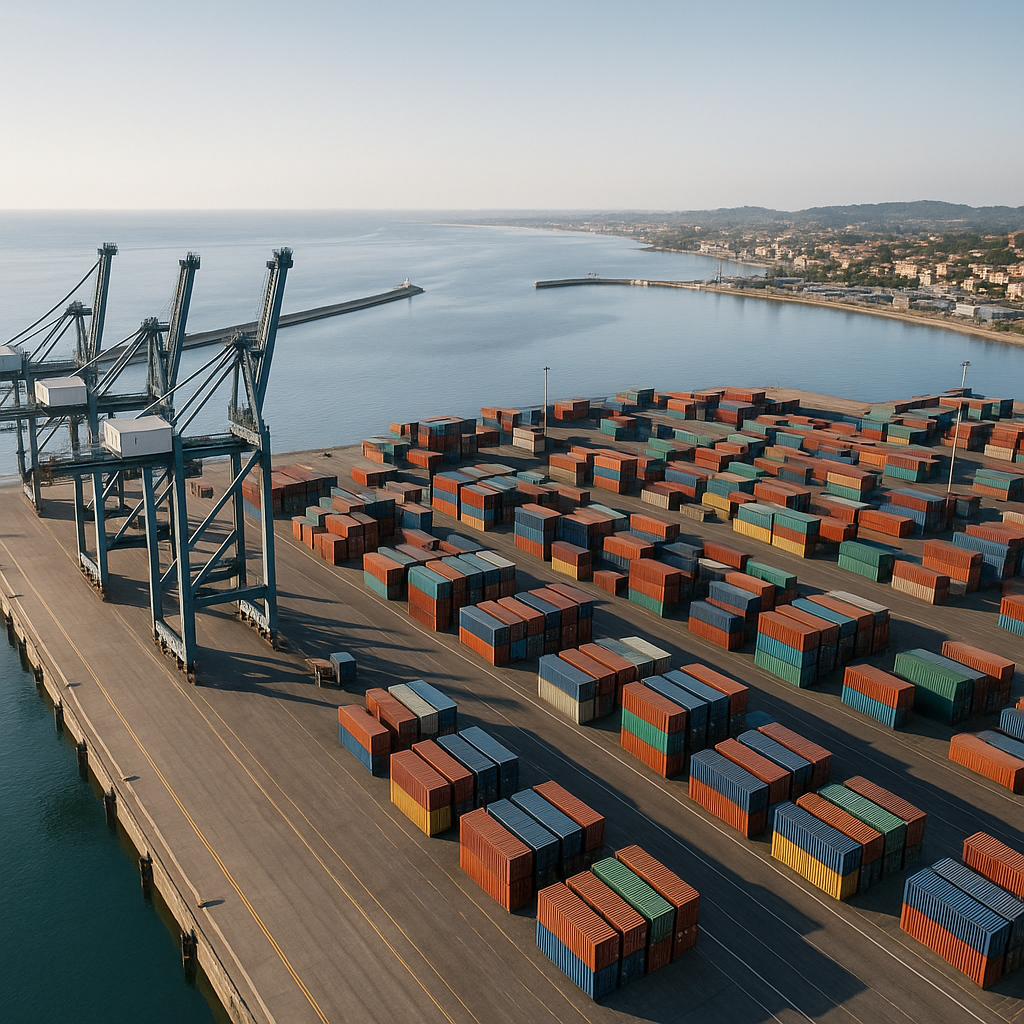
Senior officials from Somaliland’s Ministry of Finance and the Port Authority confirmed this week that container volumes at Berbera have risen substantially over the first half of 2025, driven in part by continued investment from DP World, the Dubai-based port operator that holds a long-term concession at the facility. According to government statements, the port is increasingly attracting cargo that previously transited through Djibouti, as regional traders seek alternative routes less vulnerable to congestion and geopolitical uncertainty in the Red Sea corridor.
Gulf Diplomatic Engagement Intensifies
Alongside the commercial momentum, Somaliland’s leadership has been conducting a quiet but sustained diplomatic outreach toward Gulf states, particularly the United Arab Emirates and Saudi Arabia. Hargeisa’s foreign affairs team has reportedly held a number of working-level meetings with officials and business delegations from both countries in recent months, centering on investment frameworks, livestock trade facilitation, and the possibility of expanded port infrastructure financing.
A senior official from Somaliland’s presidency, speaking on background, indicated that discussions with Emirati counterparts have moved beyond the exploratory phase, with both sides examining concrete proposals related to cold storage facilities, a livestock export terminal, and broader free-zone arrangements adjacent to the Berbera Economic Zone. While no formal agreements have been announced, officials characterized the tone of engagements as constructive and progressing toward tangible outcomes.
The livestock trade dimension is particularly significant for Somaliland’s economy. The territory remains one of the world’s largest exporters of live animals, with millions of sheep, goats, and camels shipped annually to Saudi Arabia and other Gulf markets. Any formal trade facilitation agreement with Riyadh — including more predictable access, sanitary certification recognition, or quota guarantees — would have an outsized impact on rural livelihoods across the country.
Berbera Corridor Draws Regional Attention
The broader Berbera Corridor, the road and logistics network connecting the port to Ethiopia’s landlocked interior, also continues to attract regional attention following the political shifts surrounding the Ethiopia-Somaliland relationship. While the high-profile Memorandum of Understanding signed between Addis Ababa and Hargeisa in early 2024 has faced diplomatic turbulence — including pressure from Mogadishu and shifts in Ethiopian foreign policy positioning — trade along the corridor has not ceased, and logistics operators report steady freight flows from Ethiopian importers seeking the Berbera route as a cost-competitive alternative to Djibouti.
Infrastructure upgrades along the corridor, partly funded through international development partnerships, are ongoing. Road improvements between the port and the Ethiopian border at Tog Wajaale are expected to reduce transit times meaningfully once completed, further enhancing Berbera’s commercial proposition relative to competing routes.
Recognition Drive Gains New Momentum
Beyond the Gulf, Somaliland’s long-standing pursuit of international recognition has received renewed attention following recent signals from several European parliaments and think tanks recommending deeper engagement with Hargeisa as a stable, democratically governed entity in an otherwise volatile sub-region. Somaliland representatives have been presenting their case in Brussels, London, and Washington in recent weeks, emphasizing their track record of peaceful electoral transitions and their potential role as a security and logistics partner for Western interests in the Gulf of Aden.
Civil society groups within Somaliland have cautiously welcomed the diplomatic activity but urged the government to ensure that any incoming investment or formal agreements include transparent benefit-sharing mechanisms and environmental safeguards, particularly in areas surrounding the Berbera coastline and the pastoral hinterland.
Outlook
Analysts tracking the Horn of Africa note that Somaliland’s strategic geography — straddling one of the world’s busiest shipping lanes at a moment of heightened Red Sea insecurity — gives Hargeisa unusual leverage for a territory that lacks formal recognition. Whether that leverage can be converted into durable economic agreements and, eventually, diplomatic breakthroughs remains the central question for Somaliland’s leadership as the second half of 2025 unfolds.
For now, the combination of rising port volumes, intensifying Gulf engagement, and steady corridor development represents the most tangible evidence yet that Somaliland’s decades-long bid to establish itself as a viable and indispensable regional player is gaining meaningful ground.

