
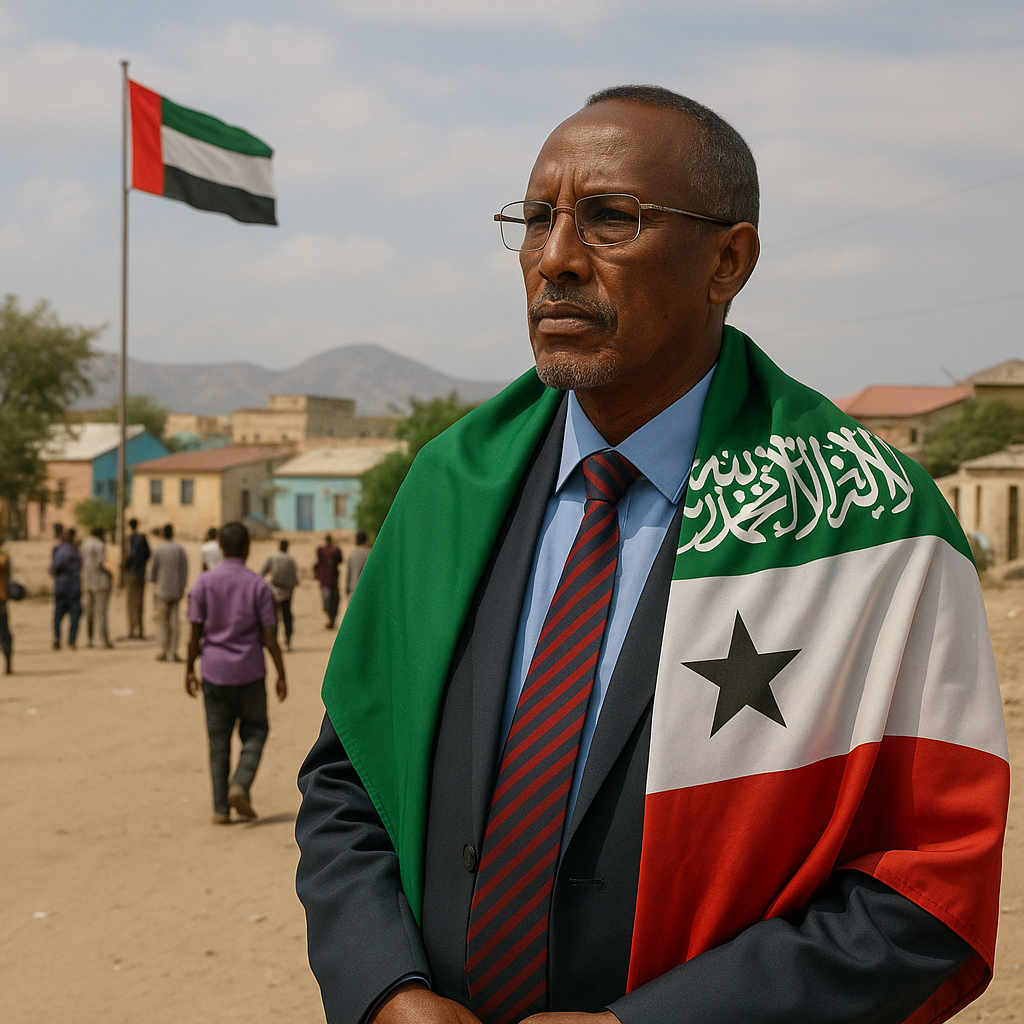
Somaliland Presses Diplomatic Case Amid Renewed Gulf Interest
Hargeisa — Somaliland’s government has stepped up its diplomatic outreach to Gulf states in recent weeks, with senior officials holding a series of high-level meetings in Riyadh and Abu Dhabi aimed at securing formal engagement that could pave the way toward broader international recognition for the self-declared republic. The intensified campaign comes as the Horn of Africa region continues to experience significant geopolitical realignment, with multiple external powers jostling for influence across the Red Sea littoral.
According to sources familiar with the discussions, Somaliland’s foreign ministry delegation conveyed to Gulf interlocutors that Hargeisa is prepared to offer strategic and commercial concessions — including expanded access arrangements at Berbera Port — in exchange for tangible diplomatic support and increased bilateral investment. The meetings reportedly produced cautious but constructive responses from Gulf counterparts, who acknowledged Somaliland’s stability and governance record as distinguishing factors compared to other fragile states in the region.
Strategic Value of Berbera Drives External Interest
Officials in Hargeisa have long argued that Somaliland’s geographic position along one of the world’s busiest shipping lanes gives it inherent strategic value that larger powers are increasingly reluctant to overlook. The port of Berbera, already the subject of a major expansion backed by DP World, sits at a chokepoint that commands attention from navies and logistics firms alike. Somaliland’s foreign minister, in remarks delivered to a policy forum in the UAE, indicated that the government intends to leverage this geography more aggressively in 2025 as part of a coordinated recognition push.
The Gulf engagement dovetails with ongoing complications in Somaliland’s relationship with Ethiopia. The landmark Ethiopia-Somaliland port access memorandum of understanding, signed in January 2024, has yet to be fully implemented amid political turbulence in Addis Ababa and sustained pressure from Mogadishu. Ethiopian Prime Minister Abiy Ahmed’s administration has been navigating intense regional opposition to the deal, and sources indicate that full operationalization remains stalled. Somaliland officials, however, maintain that the MoU remains valid and that they expect Ethiopia to honor its commitments once domestic political pressures ease.
Mogadishu’s Counter-Diplomacy Complicates the Picture
Somalia’s federal government has intensified its own diplomatic counter-offensive, lobbying Gulf capitals, the African Union, and the Arab League to reject any formal engagement with Hargeisa. Mogadishu has characterized Somaliland’s outreach as a destabilizing act that threatens Somalia’s territorial integrity, and has called on regional bodies to reaffirm their commitment to Somali unity. The federal government’s foreign minister reportedly traveled to Riyadh and Cairo in recent weeks carrying that message, seeking to preempt any breakthrough that Somaliland’s delegation might achieve.
Analysts watching the situation say the competing diplomatic campaigns reflect a broader contest over who controls the narrative of legitimacy in the Horn. Somaliland has now maintained de facto independence for more than three decades, operating its own currency, military, judiciary, and elected government — a record that its advocates argue deserves recognition on its merits, regardless of Somalia’s objections.
Domestic Political Context
Inside Somaliland, the diplomatic push is unfolding against a backdrop of relative political consolidation following last year’s presidential election, which saw Abdirahman Irro assume the presidency and pledge to make international recognition a central pillar of his administration. Irro has moved quickly to professionalize the foreign ministry and appoint envoys to key capitals, signaling that Hargeisa views the next two years as a critical window of opportunity.
Members of Somaliland’s parliament have broadly backed the recognition campaign, though some legislators have urged the executive to ensure that any concessions offered to foreign partners — particularly regarding military basing rights or exclusive port arrangements — are subject to parliamentary scrutiny. The debate reflects a maturing political culture in which institutional checks are beginning to assert themselves on high-stakes foreign policy decisions.
Outlook
Whether the current Gulf engagement translates into tangible diplomatic gains remains uncertain. No Gulf state has yet indicated it is prepared to break ranks with the Arab League consensus supporting Somali unity. Nevertheless, observers note that the transactional nature of Gulf foreign policy, combined with the Red Sea security environment following Houthi disruptions to shipping, has made Somaliland’s pitch more compelling than at any previous point in its history. The coming months are likely to test whether Hargeisa can convert strategic interest into the political recognition it has sought for over thirty years.

