
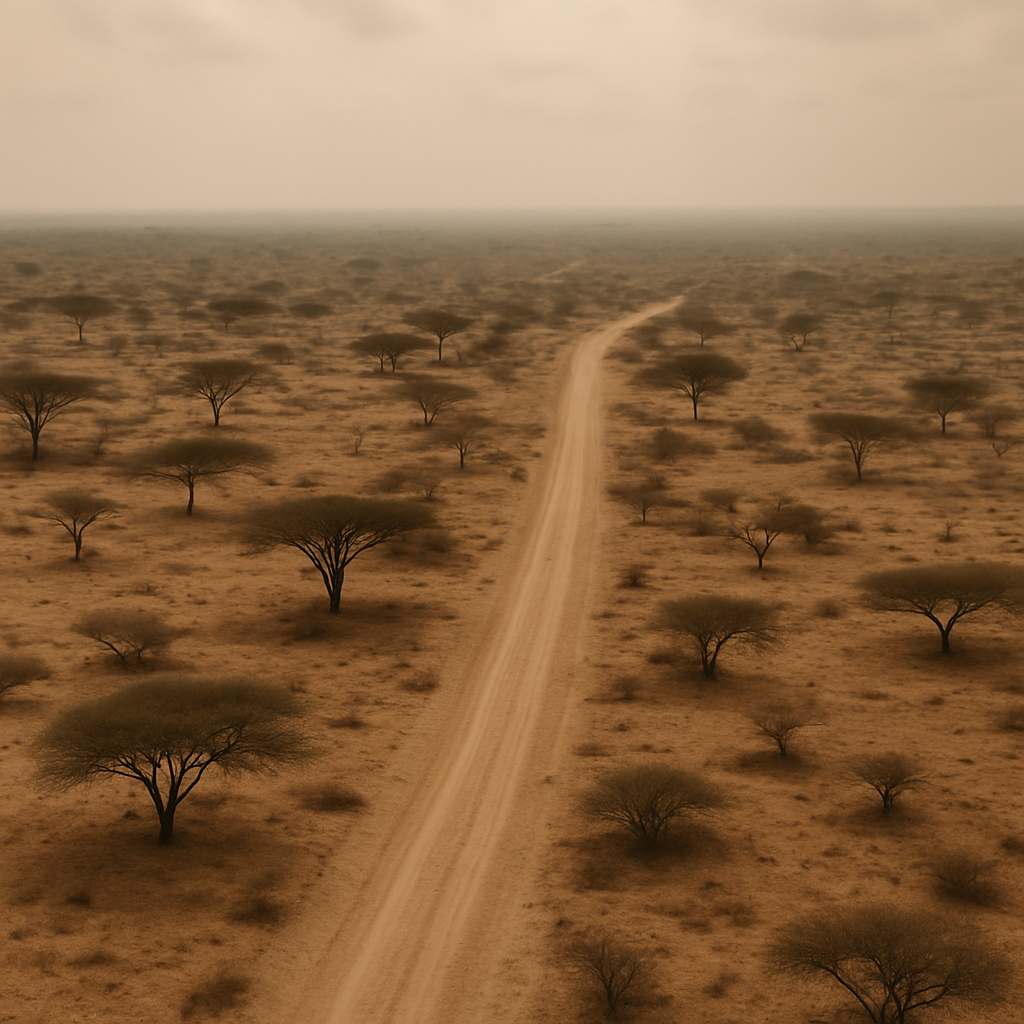
Hargeisa — Somaliland’s military position in the contested Sool region has deteriorated significantly in recent weeks, with forces aligned with SSC-Khaatumo — the administration that has rejected Hargeisa’s authority and aligned itself with the Federal Government of Somalia — consolidating control over key towns and supply routes previously held by Somaliland’s military. The developments mark what analysts are describing as the most serious erosion of Somaliland’s territorial reach in the east since the fall of Las Anod in 2023.
Ground Situation Shifts Against Hargeisa
SSC-Khaatumo fighters have reportedly extended their presence along the main axis connecting Las Anod to outlying districts, pushing Somaliland’s National Army units further westward. Community elders and local sources within the region confirmed that several smaller settlements have changed hands with little armed resistance, suggesting Somaliland’s overstretched forces are struggling to maintain forward positions in unfamiliar terrain far from their logistical base.
The SSC-Khaatumo administration, which declared itself a federal member state of Somalia following the dramatic fall of Las Anod in August 2023, has been receiving a steady flow of weapons, funds, and political backing from Mogadishu. Somalia’s federal government has framed its support as a matter of national reunification, while Hargeisa insists the eastern regions are an integral and inseparable part of Somaliland’s internationally unrecognized but self-governing territory.
Somaliland Government Response
Officials in Hargeisa have acknowledged the pressures on the eastern front without conceding specific territorial losses. Government spokespeople indicated that the army is regrouping and reinforcing defensive lines, and that Somaliland will not abandon its constitutional claim to the Sool, Sanaag, and Cayn regions. A statement from the Ministry of Defence characterized the situation as a temporary tactical adjustment rather than a strategic retreat, urging the public to trust in the armed forces’ capacity to stabilize the front.
President Abdirahman Irro, who came to office earlier this year pledging a renewed national security posture, faces an early and severe test of his administration’s resolve. Analysts note that the new government inherited a military already fatigued from two years of grinding conflict and is now attempting to reassert itself under considerable resource constraints. Parliamentary members from eastern constituencies have reportedly urged the executive to prioritize the Sool file above all other domestic concerns.
Somalia’s Role and Regional Dimensions
The deepening Somalia-SSC-Khaatumo alignment has introduced a pronounced regional dimension to what Hargeisa has long preferred to characterize as an internal clan dispute. Mogadishu has lobbied regional partners, including Ethiopia and Djibouti, to refrain from any actions that could be construed as legitimizing Somaliland’s claims. The tension adds another layer of complexity to the already fraught Ethiopia-Somaliland port access understanding, which remains unimplemented and under pressure from Somali federal objections.
Regional observers note that SSC-Khaatumo’s military gains are likely to embolden Mogadishu’s diplomatic strategy of framing Somaliland as a separatist project rather than a state with a distinct colonial-era identity and three decades of self-governance. The optics of a retreating Somaliland military weaken Hargeisa’s argument that it exercises effective and stable control over the territory it claims.
Humanitarian Concerns Mount
Displacement from the conflict zones has continued to rise, with humanitarian organizations warning of growing needs among civilian populations caught between the two sides. Aid groups report that access to affected communities remains difficult due to insecurity on key roads, and that resources are stretched thin across a region already dealing with periodic drought and food insecurity. Local health facilities have been operating well below capacity, and fresh displacement is adding pressure to already strained services in towns further west.
International humanitarian agencies have appealed to all parties to uphold protections for civilians and ensure unimpeded access for relief operations. There is no indication yet of a ceasefire framework or mediation effort that has gained traction with both Hargeisa and the SSC-Khaatumo leadership.
Outlook
With the dry season easing movement across the region’s terrain, military analysts expect operational tempo to remain elevated in the coming weeks. Somaliland’s government faces pressure not only to halt territorial losses but to demonstrate to a domestic audience — and to international partners watching from a distance — that its institutions remain capable of managing a sustained security challenge. The outcome in Sool will have lasting implications for Somaliland’s statehood claims and its negotiating posture across the Horn of Africa.