
Hargeisa — Somaliland Strengthens Gulf Partnerships as Recognition Campaign Gains Momentum
Hargeisa — Somaliland’s government has intensified its diplomatic and economic outreach to Gulf Cooperation Council states in recent months, with senior officials conducting a series of high-level engagements aimed at broadening the unrecognized republic’s international footprint and accelerating investment into key infrastructure projects, including the strategically vital Berbera Port and the Berbera Corridor.
The renewed push reflects a deliberate shift in Hargeisa’s foreign policy calculus, as Somaliland’s leadership seeks to convert years of goodwill and informal engagement with Gulf monarchies into concrete partnerships that can bolster the territory’s economy and, ultimately, its long-running campaign for international recognition.
Gulf Engagement Takes Center Stage
Somaliland’s Foreign Ministry has confirmed that delegations have held substantive talks with counterparts in the United Arab Emirates and Saudi Arabia over recent weeks. Officials indicated that discussions touched on expanded trade facilitation, potential direct investment in Berbera’s port and free-zone infrastructure, livestock export corridors, and broader security cooperation frameworks in the Gulf of Aden region.
The UAE, which already maintains a significant commercial presence in the Horn of Africa through DP World’s involvement at Berbera Port, has been signaled as a key partner in Somaliland’s economic diversification strategy. Senior Somaliland officials conveyed that Abu Dhabi has shown a willingness to deepen its engagement beyond existing commercial arrangements, with discussions reportedly touching on energy development and maritime security coordination.
Saudi Arabia’s interest is understood to be driven in part by Somaliland’s role as a major supplier of livestock for the Gulf market — a trade relationship that sustains tens of thousands of Somaliland families. Officials on both sides are said to be exploring ways to streamline veterinary certification and export logistics to increase the volume and value of that trade, which represents one of Somaliland’s most significant sources of foreign exchange earnings.
A Strategic Moment for Berbera
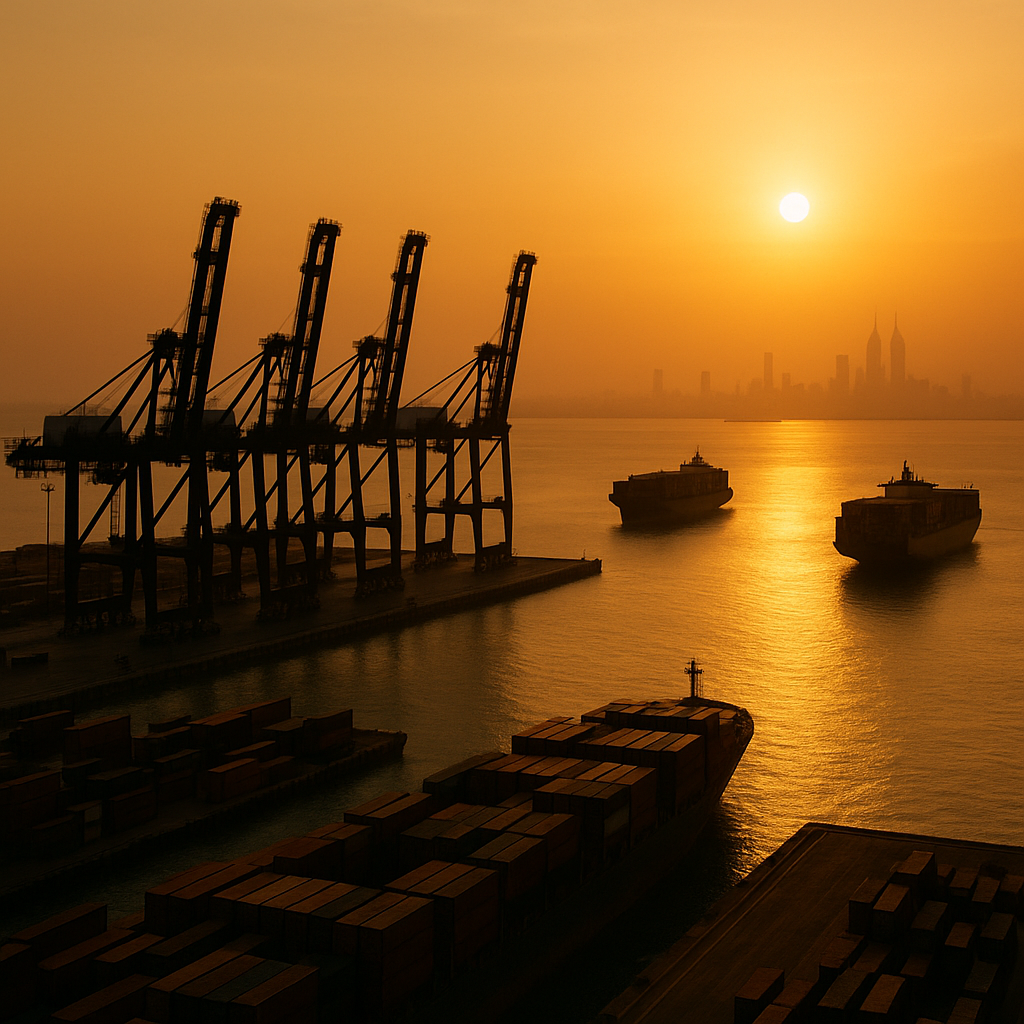
The diplomatic activity comes as Berbera Port continues its transformation into a regional logistics hub. Ongoing expansion work financed through a combination of DP World investment and development funding has steadily increased the port’s container handling capacity, and officials are keen to attract additional anchor tenants and feeder shipping lines to consolidate Berbera’s position as a credible alternative to Djibouti’s dominant facilities.
Somaliland’s commerce minister is understood to have told business audiences in the Gulf that Berbera offers lower congestion, competitive tariffs, and a stable operating environment — arguments that have gained traction among regional logistics operators looking to diversify supply chain risk across the Horn of Africa.
A planned free-trade zone adjacent to the port is also central to the pitch. Authorities have indicated that the zone’s regulatory framework is being refined with input from international advisers, with the goal of making it attractive to light manufacturing, re-export trade, and agri-processing investors from the Gulf and beyond.
Recognition Calculus and Regional Dynamics
Somaliland’s diplomatic offensive unfolds against a complex regional backdrop. The Ethiopia-Somaliland port access MoU, signed in early 2024, injected fresh momentum into Hargeisa’s recognition drive by signaling that a major regional power was prepared to engage Somaliland as a de facto sovereign entity. While implementation of that agreement has faced complications amid shifting Ethiopian domestic and foreign policy pressures, officials in Hargeisa maintain that the strategic logic underpinning it remains sound.
Gulf states, for their part, have long maintained pragmatic commercial ties with Somaliland without extending formal recognition, a pattern that Hargeisa’s diplomats are now working to move beyond. Government spokespeople have emphasized that Somaliland’s record of democratic governance, stable institutions, and reliable partnerships makes a compelling case for upgraded status, and that Gulf partners are increasingly receptive to that argument in private channels.
Domestic Expectations Run High
Inside Somaliland, public expectation around the recognition drive is palpable. Citizens and civil society figures have welcomed the intensified Gulf engagement but urged the government to ensure that any agreements translate into tangible benefits for ordinary people — including job creation linked to port expansion, fair prices for livestock exporters, and investment in health and education infrastructure.
Analysts tracking the region note that Somaliland’s window of diplomatic opportunity may be narrowing as competing priorities — including Somalia’s own Gulf engagement and broader Horn of Africa geopolitics — complicate the landscape. The coming months are expected to be decisive in determining whether Hargeisa’s sustained diplomatic effort can convert favorable conditions into lasting institutional breakthroughs.
For now, the Somaliland government appears determined to press its case on every available front, betting that patient, consistent engagement will eventually yield the international standing the territory has sought for more than three decades.

