
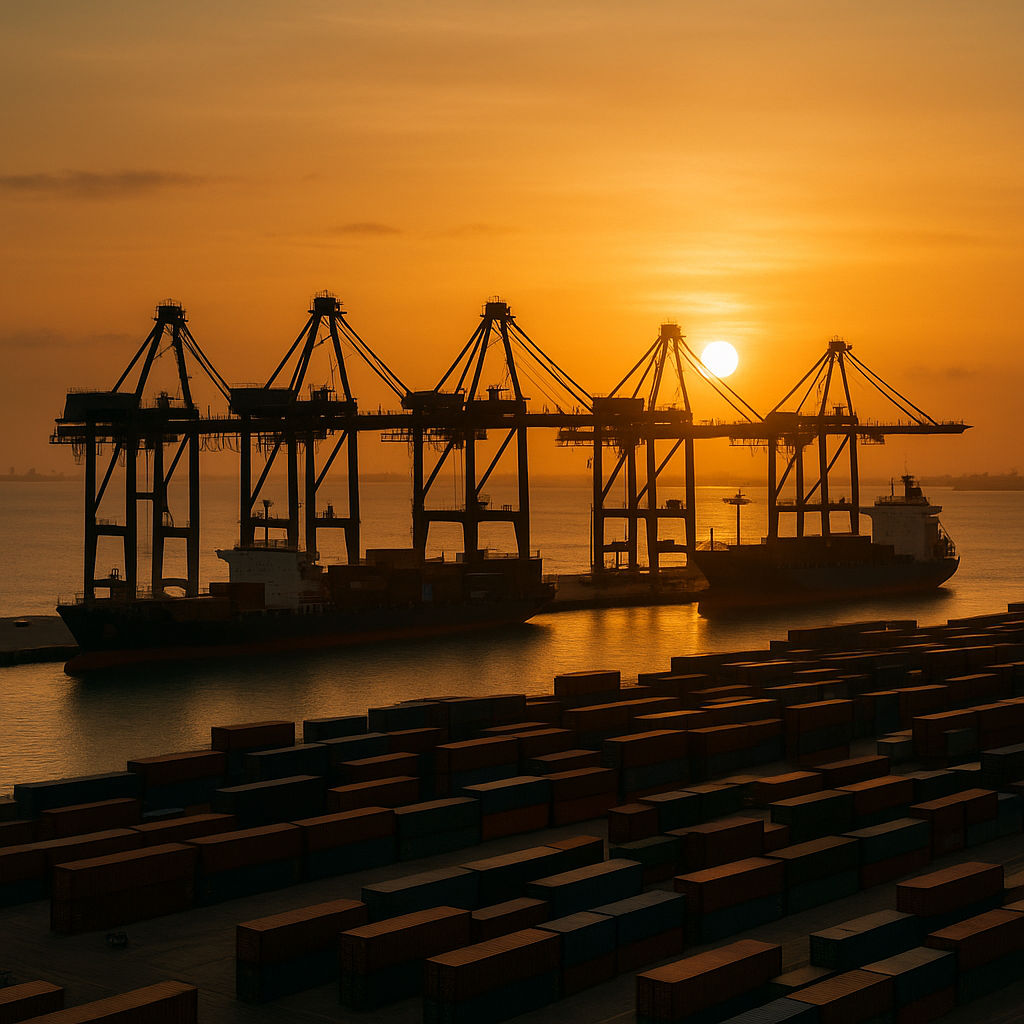
Berbera Port Positions Itself as Red Sea’s Next Major Trade Hub Amid Surge in Gulf Investment Interest
Hargeisa — Somaliland’s flagship Berbera Port and the Berbera Corridor are drawing renewed and intensified attention from Gulf investors and regional shipping operators, with officials in Hargeisa reporting a significant uptick in inbound delegations and preliminary investment discussions over recent months. The developments come at a moment when global shipping routes through the Red Sea remain under stress, elevating Berbera’s strategic profile as an alternative logistics and trade gateway for landlocked East African markets.
Senior officials from Somaliland’s Ministry of Finance and the Port Authority have confirmed that negotiations are underway with several Gulf-based logistics firms and sovereign wealth fund representatives regarding expanded terminal capacity, cold-storage facilities, and potential special economic zone designations adjacent to the port. While no final agreements have been publicly signed, the volume and seriousness of the discussions represent one of the most active phases of foreign commercial engagement Berbera has seen since DP World’s transformative concession agreement reshaped the port’s infrastructure profile in preceding years.
Red Sea Disruptions Thrust Berbera Into the Spotlight
The ongoing disruption to commercial shipping in the Red Sea, driven by Houthi militant activity targeting vessels in Yemeni waters, has forced global shipping companies and regional freight operators to reassess their supply chain dependencies. Berbera, situated along the Gulf of Aden at a point largely outside the most contested shipping lanes, has emerged as a beneficiary of this recalculation. Port officials indicated that container throughput figures for the past two quarters have shown measurable growth, with projections suggesting this trend could accelerate if ongoing infrastructure upgrades are completed on schedule.
Somaliland’s administration has been actively marketing Berbera not merely as a port of convenience, but as a comprehensive logistics corridor capable of serving Ethiopia — Africa’s second most populous country and one of its fastest-growing economies — as well as broader regional markets in South Sudan, northern Kenya, and beyond. The Berbera Corridor road link connecting the port to the Ethiopian border at Tog Wajaale remains central to this pitch, and officials in Hargeisa have expressed cautious optimism that further Ethiopian commercial engagement along this route will follow as diplomatic relations between Hargeisa and Addis Ababa continue their gradual normalization.
Gulf Partnerships: More Than Just Trade
The Gulf interest in Berbera is understood to be multidimensional. Beyond purely commercial logistics, observers with knowledge of regional dynamics note that Gulf states — particularly the UAE and Saudi Arabia — view ports along the Horn of Africa coastline through a strategic geopolitical lens, seeking to consolidate influence and ensure stable supply and energy corridors in an era of heightened regional volatility. Somaliland’s consistent record of internal stability relative to neighboring territories makes it an attractive partner in this calculation.
Somaliland government representatives have been careful to frame these engagements in terms of mutual economic benefit and sovereign partnership, emphasizing that any agreements will prioritize Somaliland’s long-term development interests. Officials have pointed to the DP World model — which included significant infrastructure investment and capacity-building commitments alongside commercial returns — as the template they intend to apply to future partnerships.
Domestic Optimism Tempered by Infrastructure Challenges
Within Somaliland, the renewed international attention on Berbera has generated palpable optimism, particularly among the business community in Hargeisa and traders in the northwestern regions who depend on the port corridor for their livelihoods. Chamber of commerce representatives have described the current moment as a generational opportunity to cement Berbera’s status as a world-class facility, provided that domestic governance structures and customs procedures keep pace with rising throughput demands.
At the same time, local analysts caution that translating investor interest into signed, funded, and operational projects requires sustained diplomatic momentum and continued improvements in the regulatory environment. Concerns about the pace of road infrastructure upgrades along the Berbera Corridor, the reliability of utility services for industrial-scale operations, and the need for a clearer legal framework governing special economic zones were all cited as areas requiring urgent attention.
A Pivotal Moment for Somaliland’s Economic Strategy
For a territory that has long pursued international recognition as a means of unlocking its full economic potential, the current wave of commercial interest in Berbera offers a parallel — and perhaps more immediately tangible — pathway to legitimacy and development. Each major international investment deal and each new shipping route that lists Berbera as a port of call strengthens the practical case for Somaliland’s distinct identity as a functioning, viable state actor on the Horn of Africa stage.
Somaliland’s leadership appears acutely aware of this dynamic. Whether the coming months translate the current momentum into concrete agreements will be one of the defining tests of the administration’s economic statecraft heading into the latter half of the decade.

