
Berbera Corridor Emerges as Linchpin of Somaliland’s Regional Trade Strategy
Hargeisa — Somaliland is accelerating its economic diplomacy with Gulf Cooperation Council states, positioning Berbera Port and the Berbera Corridor as the centerpiece of a broader strategy to attract foreign investment and secure the territory’s long-term financial independence — even as its quest for formal international recognition remains unresolved.
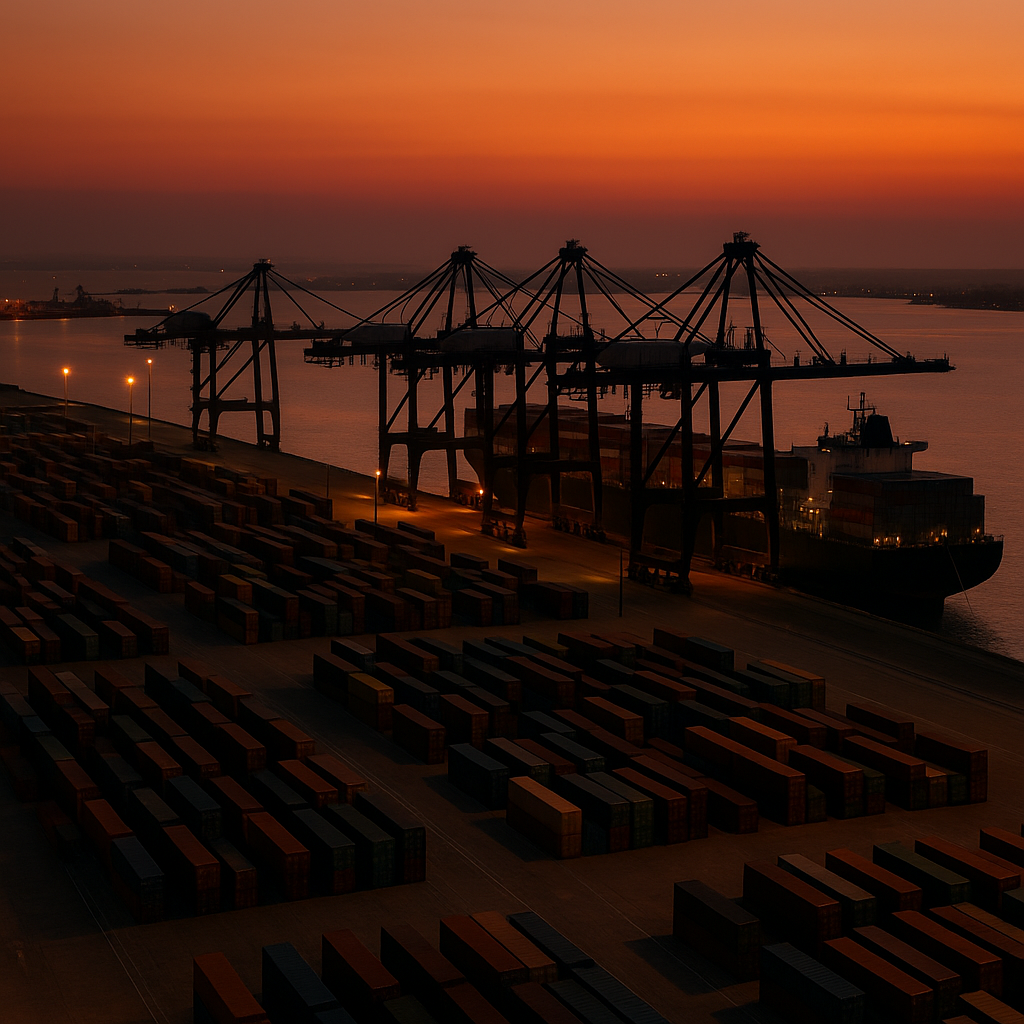
Officials in Hargeisa have been engaged in a sustained outreach campaign directed at UAE-based investors and logistics firms, building on the foundation laid by DP World’s long-term concession agreement to develop and operate Berbera Port. That arrangement, which granted the Dubai-based port operator a 30-year concession, has already transformed Berbera into one of the Red Sea coast’s more competitive deep-water facilities, capable of handling larger vessels and higher container volumes than at any previous point in its history.
According to sources familiar with ongoing negotiations, Somaliland’s Ministry of Finance and its investment promotion bodies have been presenting updated feasibility studies to prospective Gulf partners, highlighting the corridor’s potential to serve landlocked Ethiopia — a country of more than 120 million people with no coastline of its own. The pitch centers on Berbera as a cost-effective and politically stable alternative to Djibouti’s Port of Doraleh, which currently handles the overwhelming majority of Ethiopian import and export traffic.
Ethiopia Relationship Remains Central to Berbera’s Commercial Case
The commercial argument for Berbera has gained fresh urgency in the wake of the high-profile Ethiopia-Somaliland port access memorandum of understanding signed in January 2024. That agreement, which sent diplomatic shockwaves across the Horn of Africa and drew sharp protests from Mogadishu, outlined Ethiopian interest in securing both commercial port access and a potential naval or coast guard presence on Somaliland’s coastline.
While the MoU has faced significant implementation hurdles — owing in large part to intense regional and international pressure on Addis Ababa — trade volumes along the Berbera Corridor have continued to grow incrementally. Trucking operators and logistics companies along the route report sustained demand, and DP World has continued infrastructure upgrades at the port terminal, signaling confidence in the corridor’s long-term viability regardless of the pace of formal diplomatic developments.
Analysts note that even without full ratification of the Ethiopia deal, the mere existence of the agreement has elevated Somaliland’s profile among Gulf sovereign wealth funds and infrastructure investors who view the Red Sea basin as a strategic theater of growing importance. Competition between regional powers for influence along the sea lanes connecting the Indian Ocean to the Suez Canal has made every viable port on the African coastline a potential prize.
Djibouti’s Dominance Under Pressure
Djibouti has long benefited from its geographical position and decades of infrastructure investment to maintain near-monopoly status over Ethiopian trade. However, port congestion, rising tariffs, and concerns about Djibouti’s heavy debt exposure to Chinese lenders have prompted Ethiopian logistics planners to explore diversification with renewed seriousness.
Senior Somaliland officials have privately expressed confidence that economic realities will ultimately drive Ethiopian cargo volumes toward Berbera, with or without a formal political agreement between the two sides. The cost differential between routing goods through Berbera versus Djibouti is estimated by independent logistics consultants to be meaningful, particularly for bulk agricultural imports and fuel shipments destined for Ethiopia’s northern and central regions.
Somaliland’s government has also been in communication with Djibouti’s authorities on bilateral trade and border management matters, reflecting an understanding in Hargeisa that constructive relations with its smaller neighbor remain important even as the two territories compete for the same Ethiopian transit business.
Recognition Ambitions Underpin Economic Push
Underlying all of these economic maneuvers is Somaliland’s enduring pursuit of formal statehood recognition. Officials in Hargeisa have long argued that Somaliland’s case for international recognition is inseparable from its economic self-sufficiency — that a territory capable of sustaining its own finances, attracting foreign investment, and delivering tangible trade benefits to its neighbors is a more compelling candidate for diplomatic acknowledgment than one dependent on aid flows.
The Berbera expansion project fits squarely within that narrative. By demonstrating that Somaliland can manage a sophisticated piece of international trade infrastructure, attract a globally reputable operator in DP World, and generate measurable economic benefit for the wider region, Hargeisa aims to build the kind of de facto legitimacy that sometimes precedes de jure recognition.
Whether Gulf investment and corridor growth will translate into the diplomatic breakthroughs Somaliland seeks remains uncertain. But for now, the cranes rising over Berbera’s terminal and the trucks rolling toward Addis Ababa represent the most tangible expression of Somaliland’s ambitions — and its most persuasive argument to a skeptical world.

