
Hargeisa — Somaliland is intensifying its diplomatic outreach toward Gulf states, particularly the United Arab Emirates and Saudi Arabia, as the self-declared republic seeks to convert growing economic partnerships into formal political recognition, according to government officials and regional analysts monitoring developments in the Horn of Africa.
The push comes at a pivotal moment for Somaliland, whose decades-long bid for international recognition has gained new urgency following a series of regional realignments that have reshaped the geopolitical landscape across the Horn of Africa. Senior officials in Hargeisa have signaled in recent weeks that diplomatic missions to Abu Dhabi and Riyadh have yielded more substantive conversations than at any point in recent memory.
Gulf Investment as a Diplomatic Lever
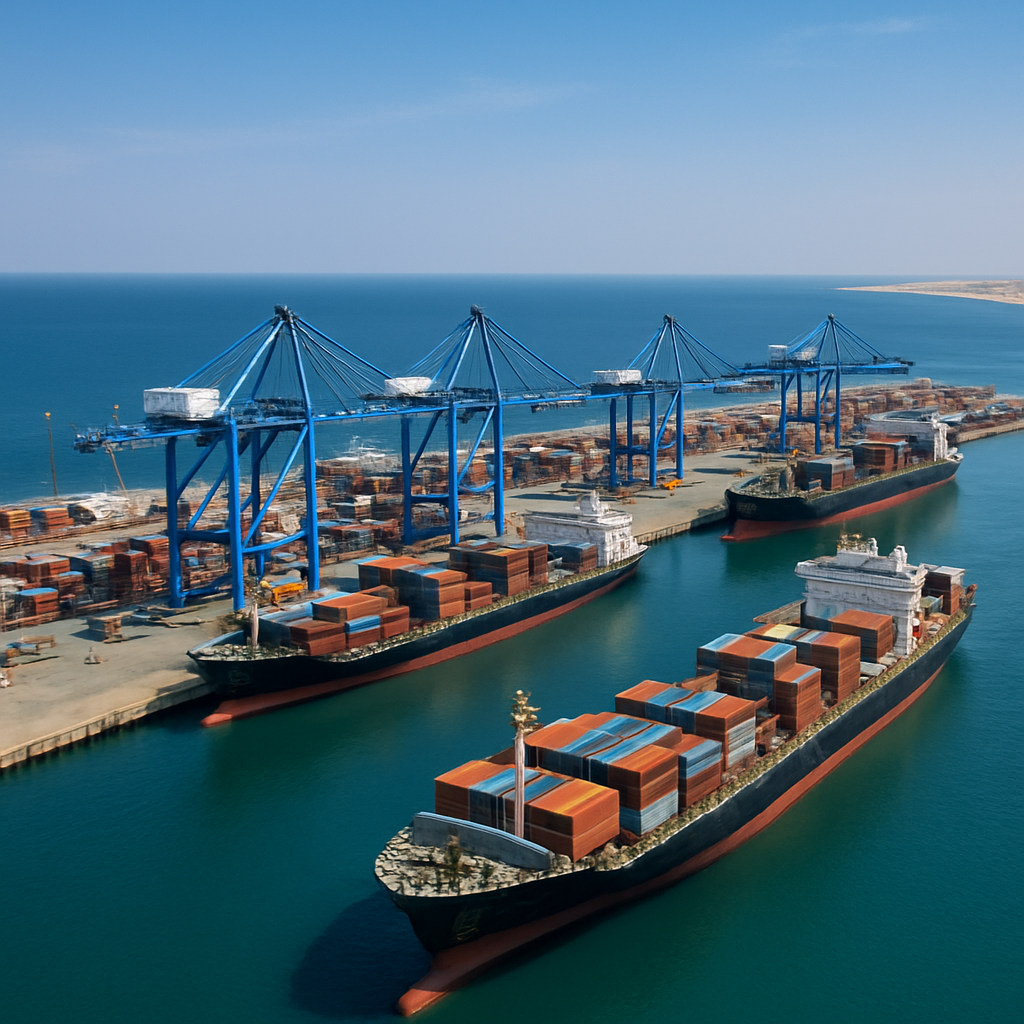
At the heart of Somaliland’s Gulf strategy is the port city of Berbera, whose deep-water harbor and strategic Red Sea location have made it an increasingly attractive proposition for Gulf investors and maritime operators. The Berbera Port and Berbera Corridor project, already partially developed with DP World involvement, is being actively promoted by Hargeisa as a cornerstone of a broader partnership framework that could, officials argue, justify a step toward formal diplomatic ties.
Officials familiar with the talks have suggested that Abu Dhabi is weighing expanded commercial commitments in Berbera, including potential logistics and warehousing infrastructure that would service regional trade routes disrupted by ongoing Houthi attacks on Red Sea shipping. Somaliland’s government views this commercial pressure as a window of opportunity, reasoning that Gulf capitals increasingly require stable, reliable partners along alternative maritime corridors.
Analysts have noted that the UAE already maintains a significant de facto relationship with Somaliland through trade, investment, and diaspora ties, and that converting this into something approaching formal recognition — even short of full diplomatic recognition — would represent a landmark development for Hargeisa.
Regional Pressures Mount
The diplomatic effort is unfolding against a backdrop of escalating tensions in the wider Horn of Africa region. Somalia’s federal government in Mogadishu continues to press Gulf states and the broader international community to refrain from any engagement with Somaliland that could be interpreted as undermining Somali sovereignty. Mogadishu has reportedly communicated its concerns directly to both Abu Dhabi and Riyadh, urging them to channel investment through federal government frameworks rather than directly to Hargeisa.
The dispute over the Ethiopia-Somaliland port access memorandum of understanding, which caused a significant diplomatic rupture between Mogadishu and Addis Ababa earlier this year, has further complicated the regional picture. While that particular agreement has stalled in its implementation, it demonstrated both the appetite among neighboring states to engage Somaliland directly and the fierce resistance such moves generate from Somalia’s federal government.
Hargeisa’s Calculated Confidence
Senior Somaliland government figures have struck a cautiously optimistic tone in recent public statements, suggesting that international attitudes toward the territory’s status are gradually shifting, even if formal recognition from major powers remains elusive. They have pointed to growing parliamentary and governmental interest in Somaliland from the United Kingdom, the United States, and European Union member states as evidence of a changing international climate.
In Hargeisa, there is a palpable sense that the convergence of Red Sea security concerns, Ethiopian landlocked trade pressures, and Gulf investment ambitions has created a geopolitical moment that Somaliland’s leadership is determined to exploit. Government officials have indicated that Somaliland’s track record of democratic governance, stability, and institutional development continues to serve as its strongest argument on the world stage.
Outlook
Regional observers caution that translating commercial interest into political recognition remains a formidable challenge, with Gulf states historically cautious about moves that could antagonize Somalia or disrupt regional frameworks backed by the African Union. Nevertheless, the current trajectory of engagement suggests that Somaliland’s international profile is rising, and that the coming months may bring further developments that test the boundaries of what informal recognition can look like in practice.
For now, Hargeisa is playing a patient but increasingly assertive diplomatic hand — one shaped by geography, stability, and a strategic location that the region’s major players find ever harder to ignore.

