
Gulf States Eye Expanded Role in Berbera as Somaliland Leverages Strategic Position
Hargeisa — Somaliland’s government has stepped up its diplomatic engagement with Gulf Cooperation Council states in recent weeks, with senior officials conducting a series of high-level consultations aimed at deepening economic and security partnerships that could transform the breakaway republic’s standing in the Horn of Africa. The renewed Gulf interest centers heavily on Berbera Port and the Berbera Corridor, which officials in Hargeisa increasingly describe as the cornerstone of the territory’s long-term development strategy and its most compelling argument for international engagement.
Sources familiar with the talks indicate that delegations from the United Arab Emirates and Saudi Arabia have held separate discussions with Somaliland’s Ministry of Foreign Affairs and the Ministry of Finance over the past month, examining opportunities in port logistics, energy infrastructure, and food security supply chains. The conversations reflect a broader recalibration of Gulf strategy in the Red Sea and Gulf of Aden region, where maritime security concerns and trade route diversification have pushed smaller but strategically vital territories into the spotlight.
Berbera’s Strategic Value Comes Into Focus
Somaliland’s foreign minister, speaking to reporters in Hargeisa, indicated that interest from Gulf partners had grown significantly more concrete over recent months, moving beyond exploratory dialogue toward discussions about specific investment frameworks. He emphasized that Somaliland’s stability and its track record of managing one of the region’s most important natural harbors gave it a distinct advantage over rival ports competing for Gulf capital.
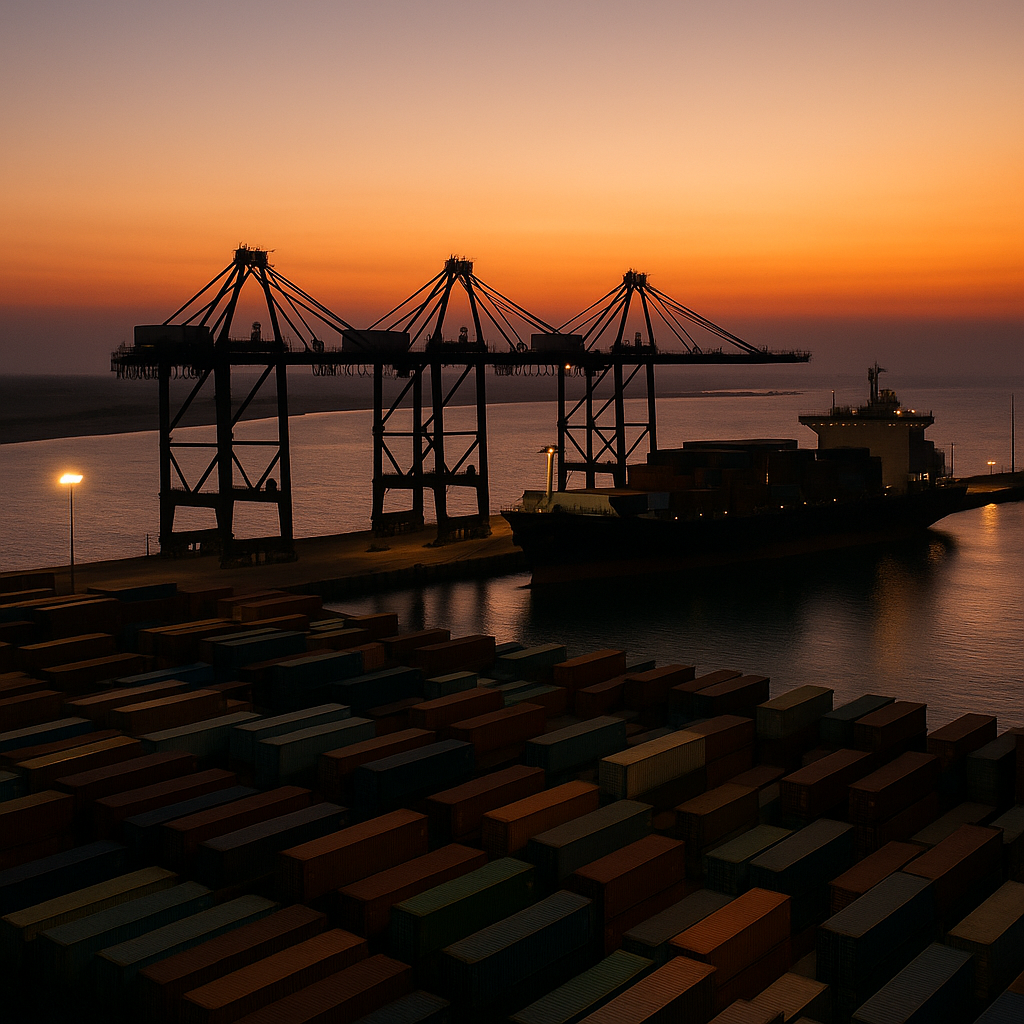
Berbera Port, which has undergone substantial expansion under a long-running partnership with DP World, already handles significant volumes of Ethiopian transit trade and serves as a critical gateway for humanitarian goods entering the wider Horn of Africa region. Analysts have long argued that the port’s full potential remains unrealized, with planned industrial zones, a free trade area, and upgraded road links to Ethiopia still in various stages of development. Gulf investment, should it materialize at the scale being discussed, could accelerate that timeline considerably.
A Hargeisa-based economist who advises the government on trade policy suggested that the geopolitical environment was now working decisively in Somaliland’s favor. He noted that the disruption of Red Sea shipping lanes caused by Houthi attacks on commercial vessels had forced regional planners to look more seriously at overland and alternative maritime routes — precisely the kind of connectivity that the Berbera Corridor is positioned to provide.
Ethiopia Connection Remains Central to the Pitch
Central to Somaliland’s pitch to Gulf investors is its relationship with Ethiopia, which remains the port’s most important customer and a source of enormous potential transit revenue. Although the Ethiopia-Somaliland port access MoU signed in January 2024 has faced diplomatic complications stemming from Mogadishu’s strong objections, officials in Hargeisa maintain that the underlying commercial logic of the agreement remains sound and that practical cooperation between the two sides continues at the working level.
Ethiopian freight volumes passing through Berbera have continued to grow year-on-year, and logistics companies operating along the corridor report that infrastructure improvements have meaningfully reduced transit times compared to alternative routes through Djibouti. For Gulf states concerned about securing reliable food import and export corridors into East Africa, that track record carries real weight.
Somaliland’s president has directed his economic team to prepare a comprehensive investment prospectus to be presented to Gulf counterparts in the coming weeks, according to government insiders. The document is expected to outline specific concession opportunities, projected revenue models, and the legal frameworks Hargeisa has put in place to protect foreign capital — an attempt to address one of the recurring concerns that investors raise about operating in an internationally unrecognized territory.
Recognition Question Looms in the Background
Despite the optimism in official circles, the question of Somaliland’s international recognition continues to cast a shadow over the depth of engagement that foreign partners are willing to commit to publicly. Gulf states, like most of the international community, officially recognize Somalia’s sovereignty over Somaliland’s territory, a legal reality that limits the formal structures through which investment and diplomatic agreements can be concluded.
However, observers point out that Gulf countries have a long history of pursuing pragmatic commercial relationships that operate at some distance from formal diplomatic positions. The UAE’s earlier involvement in Berbera Port, which predates the current round of discussions, demonstrated that creative legal and commercial arrangements can be found even in the absence of formal recognition.
As Somaliland prepares for a potentially consequential period of diplomatic activity in the second half of 2025, the Berbera corridor stands as both its greatest asset and the clearest demonstration of what the territory believes it can offer the world — stability, geography, and an underutilized gateway to one of the fastest-growing economic regions on earth.

