
Hargeisa —
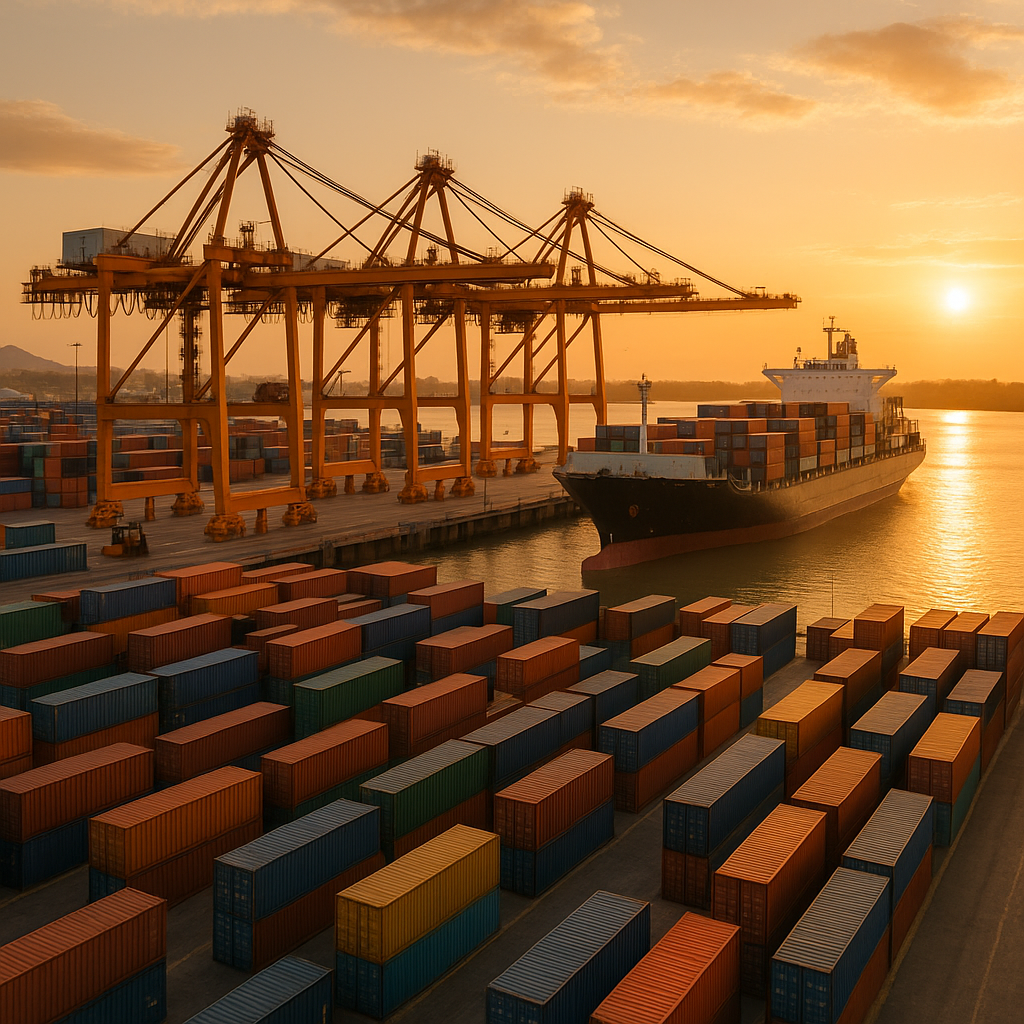
Hargeisa — Berbera Port is emerging as one of the Horn of Africa’s most strategically consequential maritime facilities, with officials and logistics analysts reporting that cargo throughput has reached new highs in recent months as regional trade routes continue to shift in response to both economic pressures and geopolitical realignments across the wider region.
Somaliland’s Port Authority has indicated that container handling volumes and bulk cargo movements at Berbera have increased substantially over the past year, driven by a combination of infrastructure improvements financed through the ongoing DP World concession agreement and growing demand from Ethiopian importers and exporters seeking an alternative to the congested port of Djibouti. Officials described the trajectory as the most encouraging sign yet that Berbera is transitioning from a promising project to a functioning regional trade hub.
Ethiopian Trade Interest Intensifies
The landlocked nation of Ethiopia, with a population exceeding 120 million and one of Africa’s fastest-growing consumer economies, remains the central driver of Berbera’s commercial ambitions. Ethiopian freight operators and logistics firms have been steadily increasing their use of the Berbera Corridor as an alternative import-export route, particularly following disruptions and cost pressures at the Djibouti corridor, which currently handles the overwhelming majority of Ethiopian trade.
The Ethiopia-Somaliland MoU, signed in early 2024 and covering both commercial port access and a framework for deeper bilateral engagement, has lent political momentum to what had previously been a largely commercial relationship. While implementation of the agreement’s more sensitive provisions has proceeded cautiously amid diplomatic pressures from Mogadishu and other regional actors, the commercial dimension — centered on Berbera — has continued to advance with relatively little disruption.
Ethiopian trucking companies and freight forwarders have told regional trade publications that transit times through Berbera compare favorably with the Djibouti route for certain goods, particularly for cargo destined for Ethiopia’s Somali Regional State and eastern highlands. Infrastructure investments along the Berbera-Wajaale corridor, including road rehabilitation works and border crossing upgrades, have reduced delays that previously made the route less competitive.
DP World Investments Reshaping Port Capacity
Dubai-based logistics giant DP World, which holds a long-term concession to develop and operate Berbera Port, has continued to deploy capital into expanded berth capacity, modern crane equipment, and upgraded storage facilities. Port officials described the pace of infrastructure development as consistent with earlier projections and said that additional phases of investment are scheduled to proceed over the coming years.
The expansion is designed to bring Berbera’s handling capacity in line with the commercial volumes that would result from a meaningful diversion of Ethiopian trade away from Djibouti. Analysts who track Horn of Africa logistics have noted that even capturing a modest share of Ethiopia’s annual import-export volume would represent transformative revenue for Somaliland’s government, which currently operates on a constrained budget with limited access to international financial institutions due to its unrecognized status.
Diplomatic Recognition Remains the Underlying Variable
Despite the commercial momentum, port and government officials acknowledge that Somaliland’s lack of formal international recognition continues to impose real costs on economic development. Major international banks remain reluctant to finance large-scale infrastructure projects in the territory, and global shipping lines require additional assurances before committing to regular scheduled services at Berbera.
The government in Hargeisa has been engaging in quiet outreach to Gulf states, European partners, and other potential investors, making the case that Berbera’s strategic location — positioned along some of the world’s busiest shipping lanes near the Bab el-Mandeb strait — makes it a commercially and strategically valuable asset regardless of unresolved questions of sovereign status. Officials have expressed cautious optimism that commercial logic will continue to attract private sector partners even as the political recognition question remains unresolved.
Djibouti Factor and Regional Competition
Djibouti, which has for decades enjoyed a near-monopoly on Ethiopian trade, is watching Berbera’s rise with considerable attention. Relations between Somaliland and Djibouti remain formally cordial but carry an undercurrent of competitive tension given their overlapping ambitions to serve as the primary maritime gateway for the Ethiopian market.
Regional economists have noted that the Horn of Africa is large enough to sustain multiple competitive ports and that Ethiopian trade volumes are projected to grow significantly over the next decade, potentially leaving room for both Berbera and Djibouti to expand their throughput simultaneously rather than engaging in a zero-sum competition. Nevertheless, Somaliland officials appear determined to accelerate Berbera’s development and capture as large a share of Ethiopian trade as infrastructure and diplomatic conditions allow.
For Somaliland’s government and its 4.5 million citizens, Berbera represents far more than a commercial asset. It is the clearest available demonstration that the territory can function as a viable, self-sustaining state — and that the international community’s continued hesitation on recognition carries a tangible economic cost for one of the Horn of Africa’s most stable administrations.

